
- AboharPunjab, India
- Abu DhabiAbu Dhabi, United Arab Emirates
- AhmedabadGujarat, India
- AjmerRajasthan, India
- AkleraRajasthan, India
- AklujMaharashtra, India
- AlandKarnataka, India
- AlwarRajasthan, India
- AmsterdamNorth Holland, Netherlands
- AnjangaonMaharashtra, India
- AshtaMadhya Pradesh, India
- AtlantaGeorgia, United States
- AucklandAuckland, New Zealand
- AuraiyaUttar Pradesh, India
- AzamgarhUttar Pradesh, India
- BaberuUttar Pradesh, India
- BagulaWest Bengal, India
- BandikuiRajasthan, India
- BandungWest Java, Indonesia
- BangkokBangkok, Thailand
- BarahiyaBihar, India
- BaripadaOdisha, India
- BarkheraUttar Pradesh, India
- BarnalaPunjab, India
- BegusaraiBihar, India
- BehrorRajasthan, India
- BengaluruKarnataka, India
- BeriHaryana, India
- BhavnagarGujarat, India
- BhilwaraRajasthan, India
- BhimavaramAndhra Pradesh, India
- BhopalMadhya Pradesh, India
- BhubaneswarOdisha, India
- BidhunaUttar Pradesh, India
- Bihar SharifBihar, India
- BikanerRajasthan, India
- BirminghamEngland, United Kingdom
- Boria KamalpurHaryana, India
- BostonMassachusetts, United States
- BrisbaneQueensland, Australia
- BulandshahrUttar Pradesh, India
- BurhanpurMadhya Pradesh, India
- CalgaryAlberta, Canada
- CelinaTexas, United States
- ChaibasaJharkhand, India
- ChandausiUttar Pradesh, India
- ChandigarhChandigarh, India
- Charkhi DadriHaryana, India
- CharlotteNorth Carolina, United States
- ChennaiTamil Nadu, India
- ChicagoIllinois, United States
- CoimbatoreTamil Nadu, India
- CookevilleTennessee, United States
- DahejGujarat, India
- DallasTexas, United States
- DatiaMadhya Pradesh, India
- DelhiDelhi, India
- DenpasarBali, Indonesia
- DeogharJharkhand, India
- DeoriaUttar Pradesh, India
- DetroitMichigan, United States
- DhanbadJharkhand, India
- DhandhukaGujarat, India
- DholpurRajasthan, India
- DohaDoha, Qatar
- DubaiDubai, United Arab Emirates
- DurbanKwaZulu-Natal, South Africa
- DuvvurAndhra Pradesh, India
- DwarkaGujarat, India
- EdisonNew Jersey, United States
- EdmontonAlberta, Canada
- FaizabadUttar Pradesh, India
- FarrukhabadUttar Pradesh, India
- FrankfurtHesse, Germany
- GandhidhamGujarat, India
- Ganj BasodaMadhya Pradesh, India
- GondalGujarat, India
- GuwahatiAssam, India
- HalwaraPunjab, India
- HaridwarUttarakhand, India
- HazaribaghJharkhand, India
- HisarHaryana, India
- Hong KongHong Kong, Hong Kong
- HoustonTexas, United States
- HyderabadTelangana, India
- IgatpuriMaharashtra, India
- IndoreMadhya Pradesh, India
- JabalpurMadhya Pradesh, India
- JaipurRajasthan, India
- JakartaJakarta, Indonesia
- JalandharPunjab, India
- JalesarUttar Pradesh, India
- JalgaonMaharashtra, India
- JalnaMaharashtra, India
- JamnagarGujarat, India
- JasidihJharkhand, India
- JawalamukhiHimachal Pradesh, India
- JindHaryana, India
- JodhpurRajasthan, India
- JohannesburgGauteng, South Africa
- KanpurUttar Pradesh, India
- KhambhatGujarat, India
- KhopoliMaharashtra, India
- KochiKerala, India
- KolkataWest Bengal, India
- Kuala LumpurFederal Territory, Malaysia
- KurundwadMaharashtra, India
- LeicesterEngland, United Kingdom
- LondonEngland, United Kingdom
- Los AngelesCalifornia, United States
- LucknowUttar Pradesh, India
- LudhianaPunjab, India
- MaduraiTamil Nadu, India
- MalkapurMaharashtra, India
- MaloutPunjab, India
- ManchesterEngland, United Kingdom
- MangaluruKarnataka, India
- MathuraUttar Pradesh, India
- MavliRajasthan, India
- MechanicsburgPennsylvania, United States
- MeerutUttar Pradesh, India
- MehsanaGujarat, India
- MelbourneVictoria, Australia
- MiamiFlorida, United States
- MinneapolisMinnesota, United States
- MississaugaOntario, Canada
- MogaPunjab, India
- MorbiGujarat, India
- MumbaiMaharashtra, India
- MurtajapurMaharashtra, India
- MuscatMuscat, Oman
- MysuruKarnataka, India
- NagpurMaharashtra, India
- NanduraMaharashtra, India
- NashikMaharashtra, India
- NeamatpurWest Bengal, India
- New YorkNew York, United States
- NippaniKarnataka, India
- NiraMaharashtra, India
- NowgongMadhya Pradesh, India
- OraiUttar Pradesh, India
- ParisÎle-de-France, France
- PatialaPunjab, India
- PatnaBihar, India
- PeddapalliTelangana, India
- PerthWestern Australia, Australia
- PhiladelphiaPennsylvania, United States
- PhoenixArizona, United States
- PrayagrajUttar Pradesh, India
- PuneMaharashtra, India
- PuriOdisha, India
- PutturKarnataka, India
- RaipurChhattisgarh, India
- RajamahendravaramAndhra Pradesh, India
- RajkotGujarat, India
- Ramgarh CantonmentJharkhand, India
- ReadingPennsylvania, United States
- RishikeshUttarakhand, India
- RiyadhRiyadh, Saudi Arabia
- SaharanpurUttar Pradesh, India
- San FranciscoCalifornia, United States
- San JoseCalifornia, United States
- SarupatharAssam, India
- SeattleWashington, United States
- SendhwaMadhya Pradesh, India
- ShikaripurKarnataka, India
- ShikarpurUttar Pradesh, India
- ShirdiMaharashtra, India
- SingaporeSingapore, Singapore
- SuratGujarat, India
- SurendranagarGujarat, India
- SydneyNew South Wales, Australia
- ThanesarHaryana, India
- TilakwadaGujarat, India
- TirupatiAndhra Pradesh, India
- TiruvannamalaiTamil Nadu, India
- TorontoOntario, Canada
- UdalguriAssam, India
- UjjainMadhya Pradesh, India
- UkiahCalifornia, United States
- UnjhaGujarat, India
- VadodaraGujarat, India
- VancouverBritish Columbia, Canada
- VaranasiUttar Pradesh, India
- VisakhapatnamAndhra Pradesh, India
- VisnagarGujarat, India
- VrindavanUttar Pradesh, India
- WanaparthyTelangana, India
- WashingtonDistrict of Columbia, United States
- ZurichZurich, Switzerland
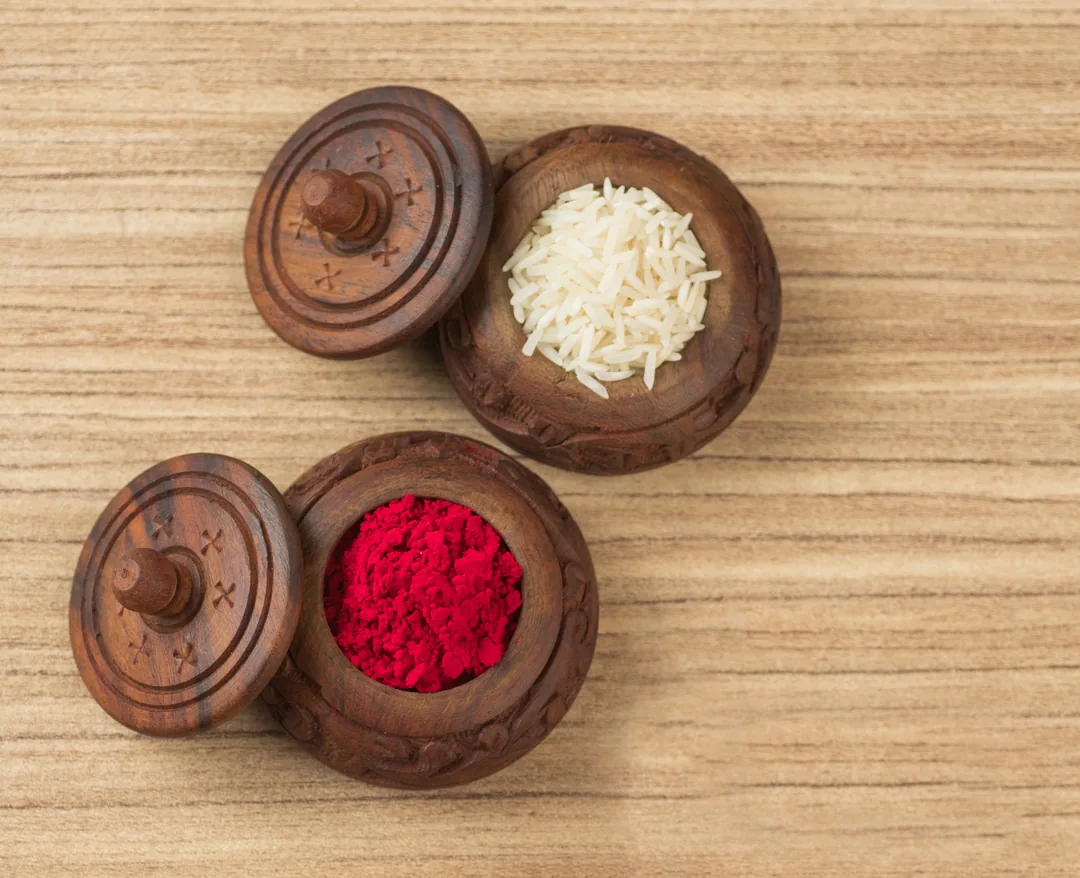
Bhai Dooj · Yama puja
Bhai Dooj in Nandura is on Wednesday, 11 November 2026; Yama puja 1:16 – 3:29 PM (India Standard Time, UTC+5:30).
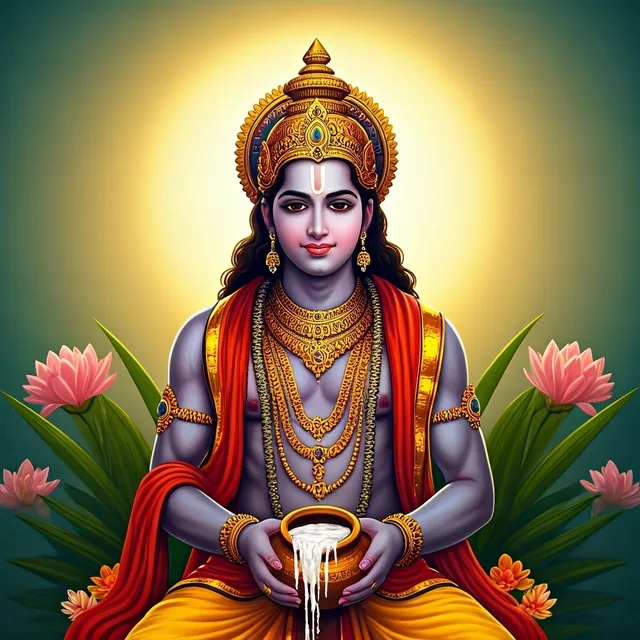
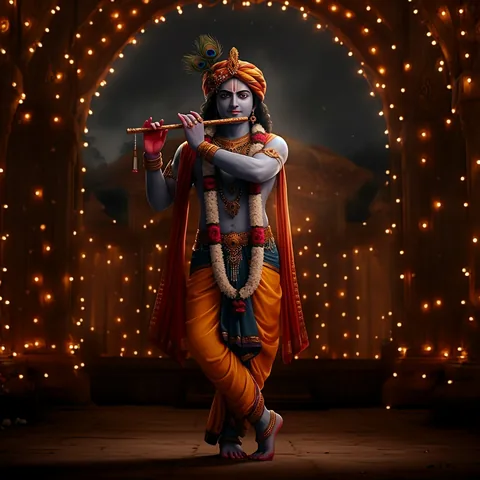

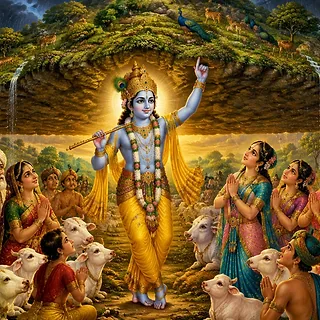
Muhurat for Wed, 11 Nov, Nandura
Do
- Bathe in the Yamuna or remember her at your bath.
- Worship Yama with Chitragupta in the afternoon.
- Eat at your sister's home, from her hand.
- Honour every sister with gifts as your means allow.
Don’t
- Eat at your own home today, if you can go to a sister's.
- Leave the day unmarked if you are away, ill or held back; hearing this katha brings the fruit of the meal.
Aarti, mantra and katha
Each one opens the same screen in Vandan
Muhurat
Shubh
Ashubh
Deities of the dayShastra
Today's observancesShastra
Avoid
A prohibition binds while its tithi runs.
ChoghadiyaPractice (Gujarat–Rajasthan)
Day
Night
LagnaShastra · Jyotisha
Sunrise to next sunrise
Maas
Guide
Bhai Dooj
The day
- Kartika Shukla Dvitiya, the second day of Kartika's bright fortnight, two days after Deepavali.
- It is also called Yama Dvitiya: the day Yamuna fed her brother Yama in her home.
What to do today
- Brothers eat at their sister's house, from her hand, and honour her with gifts.
- Sisters pray for their brothers' long life; the worship of Yama falls in the afternoon window this page shows.
Its names
- Bhai Dooj in the north, Bhau Beej in Maharashtra and Goa, Bhai Phonta in Bengal, Bhai Tika in Nepal (practice)
Puja vidhi — Yama in the afternoon
Bath
- Bathe in the Yamuna if you can; the Skanda passage says one who bathes in the sun's daughter today does not see Yama's world.
- Elsewhere, bathe at home remembering Yamuna and the holy rivers.
When
- Worship Yama in the afternoon window this page shows; the afternoon is his time today.
Worship
- Worship Yama, the lord of dharma, together with Chitragupta and Yama's messengers, with flowers, akshat, incense and a lamp.
- Brother and sister together offer arghya to Yama, praying to him as the son of the sun and the elder brother of Yamuna.
The eight long-lived
- A prayer is also offered to the eight long-lived ones, Markandeya, Bali, Vyasa, Hanuman, Vibhishana, Kripa, Ashvatthama and Parashurama, for the brother's long life.
Lamp
- Many families light a lamp for Yama at the door this evening (practice)
The meal at the sister's house
Eat from her hand
- A brother should not eat at his own home today, but at his sister's, from her hand, with affection.
- The Bhavishya passage promises strength, wealth, grain and long life to the brother who does so.
Who counts as sister
- All sisters are honoured, the elder first; where there is no sister, a cousin, a father's or mother's sister's daughter, or a friend's sister takes her place.
- The katha even says one should never go without: if no sister can be found, honour a cow or a river as one.
The sister's part
- The Brahmanda passage says the sister who feeds her brother today and honours him with tambula keeps her own married life secure and guards his life.
- Many sisters keep a fast until they have done the tilak and fed their brother (practice)
No fast is set
- No fast is set for the brother; the day is a meal shared.
Tilak, gifts and the close of the day
The tilak
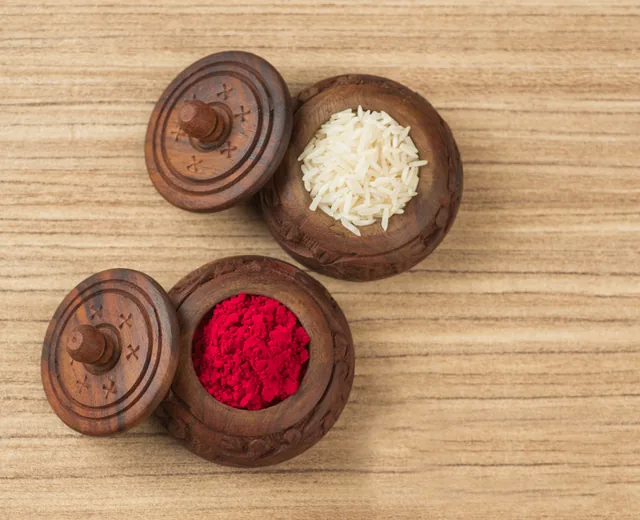
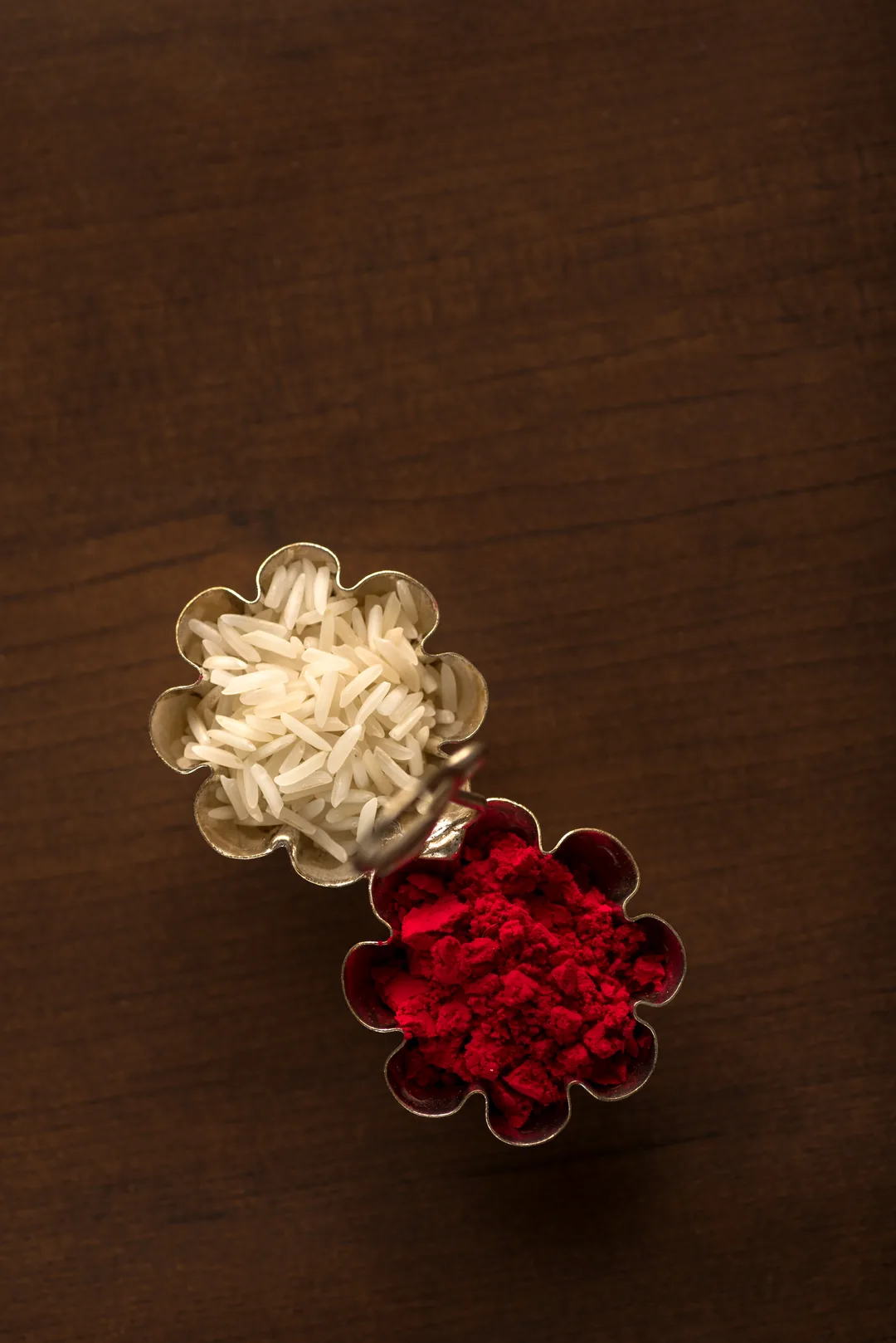
- The sister seats her brother, puts a tilak of roli and akshat on his forehead and waves the aarti (practice)
- She gives him sweets or a coconut and prays for his long life (practice)
The brother's gifts
- The brother honours every sister with gold, ornaments, clothes and food, as his means allow.
- The brother bows to her, receives her blessing and then honours her.
Closing the day
- Touch the elders' feet and share the meal with the family (practice)
- Note: Families differ on whether the tilak comes before or after the meal; keep your own custom.
Which day, and why this tithi
The tithi
- Kartika Shukla Dvitiya in every calendar; the day is tied to the afternoon, when Yama is worshipped.
The rule
- The earlier day is kept when the Dvitiya covers the afternoon there; in every other case, the later day.
- Some take the afternoon-covering Dvitiya joined to the Pratipada, and some the Pratipada-joined day.
On this page
- The date and the afternoon window are worked out from this rule for your city.
The katha — Yamuna feeds her brother
The invitation
- Yamuna, the daughter of the sun, kept asking her brother Yama to come to her home for a meal with his attendants.
- Bound by his work, Yama put it off day after day, until in Kartika, on the second day of the bright fortnight, he came.
The visit
- On his way he freed the beings in the hells for the day, so that they too could rejoice.
- Yamuna welcomed him, bathed him with fragrant oil, dressed him in fine clothes, ornaments and garlands, and served him many dishes.
The boon
- Pleased, Yama offered her a boon; she asked that the day bring joy to all and release to sinners.
- Yama promised that whoever bathes in the Yamuna today, offers tarpana to the forebears and eats at a sister's home will never see his door.
- He added that prisoners should be let go to eat at their sisters' homes on this day.
Her name
- Many families call her Yami, the name of Yama's twin (practice)
Chitragupta puja
With Yama
- Chitragupta, Yama's record-keeper, is worshipped with Yama this afternoon, with Yama's messengers.
- Some count it a custom of the Gaudas of Bengal; it is for everyone.
Kayastha practice
- Kayastha families keep this day as Chitragupta puja, worshipping him as their forebear and as the keeper of every deed (practice)
- They set out pens, an inkpot and account books before his image and set writing aside until the puja is done (practice)
- Many write a short prayer, with their name and the year's accounts, and place it before him (practice)
Regional forms
Mathura
- Brothers and sisters bathe together at the Yamuna ghats of Mathura, holding hands (practice)
Maharashtra and Goa
- Bhau Beej: the sister does the aarti of her brother, often seated on a square drawn with rangoli (practice)
Bengal
- Bhai Phonta: the sister puts a dot of sandal paste on her brother's forehead with a rhyme to keep Yama away (practice)
Nepal
- Bhai Tika closes Tihar: the sister marks her brother with a tika of many colours and garlands him with flowers that do not fade quickly (practice)
Festive Food
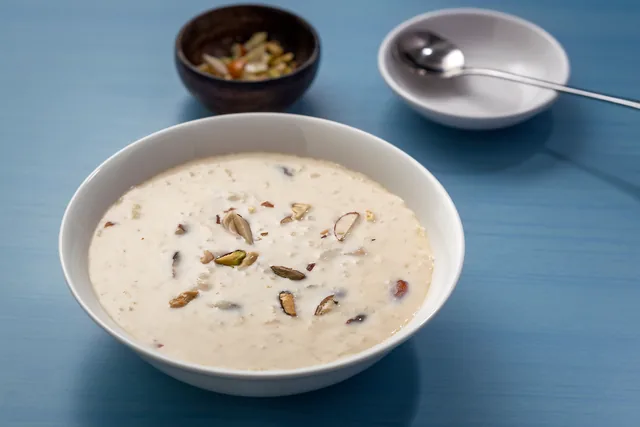 Kheer (the sister's meal, North India)
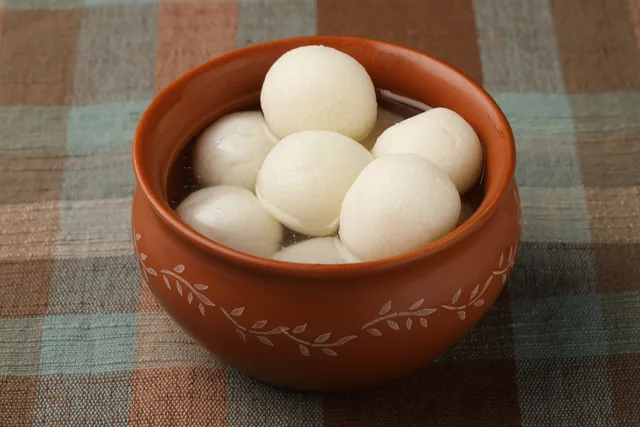 Rasgulla (Bhai Phonta, Bengal)Basundi-Puri (Bhau-beej, Maharashtra)
History
Bhai Dooj is the bright Dvitiya of Kartika, the last of the five days of Diwali, also known as Yama Dvitiya. The day's katha: Yamuna, daughter of the Sun, invited her brother Yama again and again, and on this day he came to her home; she bathed him, dressed him and fed him, and he promised that whoever bathes in the Yamuna today, offers tarpana to the forebears and eats at a sister's home will never see his door. The Bhavishya Purana sets the day's rule: the brother does not eat at his own home but from his sister's hand, and honours every sister with gifts — a cousin or a friend's sister where there is none. The Skanda Purana sets the worship of Yama in the afternoon, with Chitragupta and Yama's messengers, and a bath in the Yamuna. The tilak, the aarti of the brother, and the regional names — Bhai Phonta in Bengal, Bhau-beej in Maharashtra, Bhai Tika in Nepal — are living custom, as is the Chitragupta puja of Kayastha families (practice).
Read more
Questions
When is Bhai Dooj 2026 in Nandura?
Bhai Dooj in Nandura is on Wednesday, 11 November 2026; Yama puja 1:16 – 3:29 PM (India Standard Time, UTC+5:30).
What should one not do on Bhai Dooj?
Eat at your own home today, if you can go to a sister's. Leave the day unmarked if you are away, ill or held back; hearing this katha brings the fruit of the meal.
Which day, and why this tithi
The tithi Kartika Shukla Dvitiya in every calendar; the day is tied to the afternoon, when Yama is worshipped. The rule The earlier day is kept when the Dvitiya covers the afternoon there; in every other case, the later day. · Some take the afternoon-covering Dvitiya joined to the Pratipada, and some the Pratipada-joined day. On this page The date and the afternoon window are worked out from this rule for your city.
This day, in full — in Vandan
A reminder at the muhurat, the aarti to sing along, the katha to read.