
- AboharPunjab, India
- Abu DhabiAbu Dhabi, United Arab Emirates
- AhmedabadGujarat, India
- AjmerRajasthan, India
- AkleraRajasthan, India
- AklujMaharashtra, India
- AlandKarnataka, India
- AlwarRajasthan, India
- AmsterdamNorth Holland, Netherlands
- AnjangaonMaharashtra, India
- AshtaMadhya Pradesh, India
- AtlantaGeorgia, United States
- AucklandAuckland, New Zealand
- AuraiyaUttar Pradesh, India
- AzamgarhUttar Pradesh, India
- BaberuUttar Pradesh, India
- BagulaWest Bengal, India
- BandikuiRajasthan, India
- BandungWest Java, Indonesia
- BangkokBangkok, Thailand
- BarahiyaBihar, India
- BaripadaOdisha, India
- BarkheraUttar Pradesh, India
- BarnalaPunjab, India
- BegusaraiBihar, India
- BehrorRajasthan, India
- BengaluruKarnataka, India
- BeriHaryana, India
- BhavnagarGujarat, India
- BhilwaraRajasthan, India
- BhimavaramAndhra Pradesh, India
- BhopalMadhya Pradesh, India
- BhubaneswarOdisha, India
- BidhunaUttar Pradesh, India
- Bihar SharifBihar, India
- BikanerRajasthan, India
- BirminghamEngland, United Kingdom
- Boria KamalpurHaryana, India
- BostonMassachusetts, United States
- BrisbaneQueensland, Australia
- BulandshahrUttar Pradesh, India
- BurhanpurMadhya Pradesh, India
- CalgaryAlberta, Canada
- CelinaTexas, United States
- ChaibasaJharkhand, India
- ChandausiUttar Pradesh, India
- ChandigarhChandigarh, India
- Charkhi DadriHaryana, India
- CharlotteNorth Carolina, United States
- ChennaiTamil Nadu, India
- ChicagoIllinois, United States
- CoimbatoreTamil Nadu, India
- CookevilleTennessee, United States
- DahejGujarat, India
- DallasTexas, United States
- DatiaMadhya Pradesh, India
- DelhiDelhi, India
- DenpasarBali, Indonesia
- DeogharJharkhand, India
- DeoriaUttar Pradesh, India
- DetroitMichigan, United States
- DhanbadJharkhand, India
- DhandhukaGujarat, India
- DholpurRajasthan, India
- DohaDoha, Qatar
- DubaiDubai, United Arab Emirates
- DurbanKwaZulu-Natal, South Africa
- DuvvurAndhra Pradesh, India
- DwarkaGujarat, India
- EdisonNew Jersey, United States
- EdmontonAlberta, Canada
- FaizabadUttar Pradesh, India
- FarrukhabadUttar Pradesh, India
- FrankfurtHesse, Germany
- GandhidhamGujarat, India
- Ganj BasodaMadhya Pradesh, India
- GondalGujarat, India
- GuwahatiAssam, India
- HalwaraPunjab, India
- HaridwarUttarakhand, India
- HazaribaghJharkhand, India
- HisarHaryana, India
- Hong KongHong Kong, Hong Kong
- HoustonTexas, United States
- HyderabadTelangana, India
- IgatpuriMaharashtra, India
- IndoreMadhya Pradesh, India
- JabalpurMadhya Pradesh, India
- JaipurRajasthan, India
- JakartaJakarta, Indonesia
- JalandharPunjab, India
- JalesarUttar Pradesh, India
- JalgaonMaharashtra, India
- JalnaMaharashtra, India
- JamnagarGujarat, India
- JasidihJharkhand, India
- JawalamukhiHimachal Pradesh, India
- JindHaryana, India
- JodhpurRajasthan, India
- JohannesburgGauteng, South Africa
- KanpurUttar Pradesh, India
- KhambhatGujarat, India
- KhopoliMaharashtra, India
- KochiKerala, India
- KolkataWest Bengal, India
- Kuala LumpurFederal Territory, Malaysia
- KurundwadMaharashtra, India
- LeicesterEngland, United Kingdom
- LondonEngland, United Kingdom
- Los AngelesCalifornia, United States
- LucknowUttar Pradesh, India
- LudhianaPunjab, India
- MaduraiTamil Nadu, India
- MalkapurMaharashtra, India
- MaloutPunjab, India
- ManchesterEngland, United Kingdom
- MangaluruKarnataka, India
- MathuraUttar Pradesh, India
- MavliRajasthan, India
- MechanicsburgPennsylvania, United States
- MeerutUttar Pradesh, India
- MehsanaGujarat, India
- MelbourneVictoria, Australia
- MiamiFlorida, United States
- MinneapolisMinnesota, United States
- MississaugaOntario, Canada
- MogaPunjab, India
- MorbiGujarat, India
- MumbaiMaharashtra, India
- MurtajapurMaharashtra, India
- MuscatMuscat, Oman
- MysuruKarnataka, India
- NagpurMaharashtra, India
- NanduraMaharashtra, India
- NashikMaharashtra, India
- NeamatpurWest Bengal, India
- New YorkNew York, United States
- NippaniKarnataka, India
- NiraMaharashtra, India
- NowgongMadhya Pradesh, India
- OraiUttar Pradesh, India
- ParisÎle-de-France, France
- PatialaPunjab, India
- PatnaBihar, India
- PeddapalliTelangana, India
- PerthWestern Australia, Australia
- PhiladelphiaPennsylvania, United States
- PhoenixArizona, United States
- PrayagrajUttar Pradesh, India
- PuneMaharashtra, India
- PuriOdisha, India
- PutturKarnataka, India
- RaipurChhattisgarh, India
- RajamahendravaramAndhra Pradesh, India
- RajkotGujarat, India
- Ramgarh CantonmentJharkhand, India
- ReadingPennsylvania, United States
- RishikeshUttarakhand, India
- RiyadhRiyadh, Saudi Arabia
- SaharanpurUttar Pradesh, India
- San FranciscoCalifornia, United States
- San JoseCalifornia, United States
- SarupatharAssam, India
- SeattleWashington, United States
- SendhwaMadhya Pradesh, India
- ShikaripurKarnataka, India
- ShikarpurUttar Pradesh, India
- ShirdiMaharashtra, India
- SingaporeSingapore, Singapore
- SuratGujarat, India
- SurendranagarGujarat, India
- SydneyNew South Wales, Australia
- ThanesarHaryana, India
- TilakwadaGujarat, India
- TirupatiAndhra Pradesh, India
- TiruvannamalaiTamil Nadu, India
- TorontoOntario, Canada
- UdalguriAssam, India
- UjjainMadhya Pradesh, India
- UkiahCalifornia, United States
- UnjhaGujarat, India
- VadodaraGujarat, India
- VancouverBritish Columbia, Canada
- VaranasiUttar Pradesh, India
- VisakhapatnamAndhra Pradesh, India
- VisnagarGujarat, India
- VrindavanUttar Pradesh, India
- WanaparthyTelangana, India
- WashingtonDistrict of Columbia, United States
- ZurichZurich, Switzerland
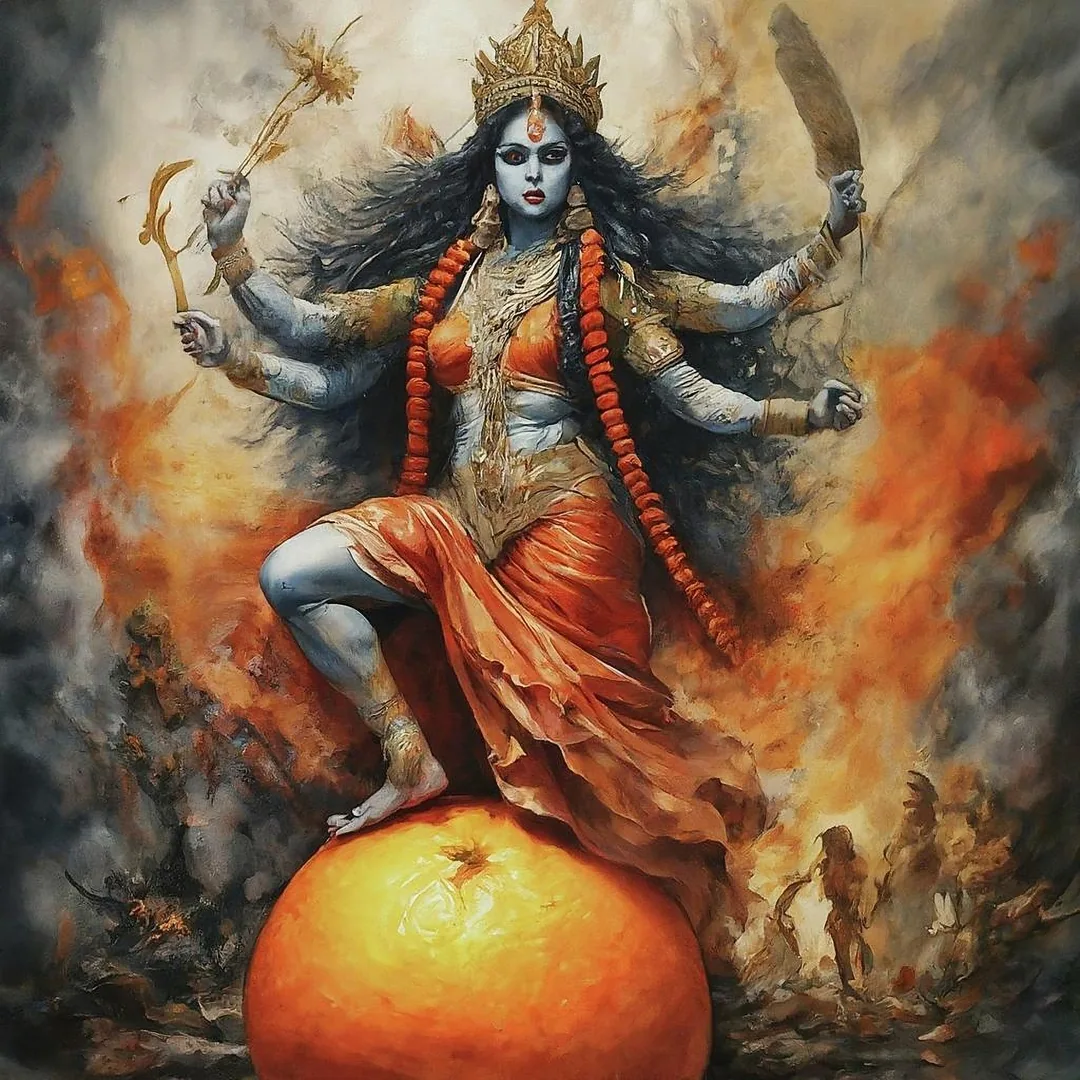
Kali Puja
Kali Puja in Frankfurt is on Sunday, 8 November 2026.
Muhurat for Sun, 8 Nov, Frankfurt
Observe through the day
Do
- Hold or join the puja in the nishita window this page shows (practice)
- Offer red flowers, especially hibiscus.
- Keep the puja place, and the night, calm and clean (practice)
Don’t
- Merge this puja with the evening Lakshmi puja; they are separate rites (practice)
- Press a bali on a household that does not keep one; the Kalika Purana counts the ash gourd and sugarcane as equal to it.
- Burst fireworks near the old, the sick or animals (practice)
Muhurat
Shubh
Ashubh
Deities of the dayShastra
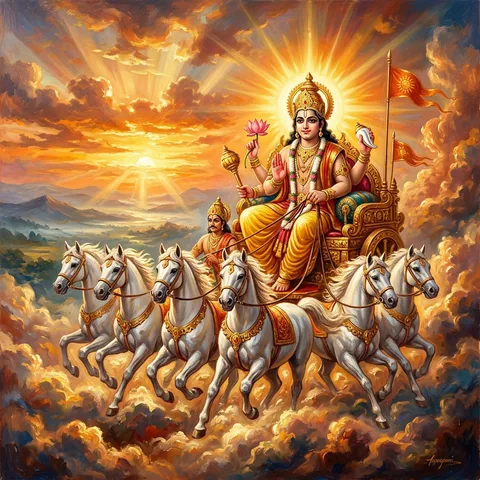 SuryaAll dayAlso: Shiva
Today's observancesShastra
Avoid
Preferred
A prohibition binds while its tithi runs.
ChoghadiyaPractice (Gujarat–Rajasthan)
Day
Night
LagnaShastra · Jyotisha
Sunrise to next sunrise
Maas
Puja Vidhi
• Light lamps at dusk with the rest of India; many keep a fast until the night puja is over (practice)
• Set up a picture, a clay image, or a pot (ghata) as the Devi's seat, in a clean place (practice) • Keep ready red flowers — above all red hibiscus (java) — lamps, incense, fruit, sweets and the bhog.
• In the nishita window this page shows, follow your family's or the priest's paddhati: sankalp, invocation, the services, japa of her mantra, homa and pushpanjali (practice) • The Shyama-rahasya holds the Devi's great puja to be a rite of the night.
• Offer red flowers, especially hibiscus; the Shyama-rahasya names the red java and the arka among the flowers dear to her.
• Offer the bhog by your family's custom — fruit, sweets and cooked dishes (practice) • Where a bali is kept, the Kalika Purana counts the ash gourd (kushmanda) and sugarcane as equal to it; never press a bali on a household that does not keep one.
• Close with the lamp aarti and the conch, then sing Shyama-sangeet or the Devi's praise (practice) • Share the prasad; the image is immersed the next day, or after a few days in community pujas (practice)
Guide
Tonight: Kali Puja
What the night is
- In Bengal, Assam, Odisha and Tripura, the night of the Diwali new moon is Kali Puja, also called Shyama Puja (practice)
- The puja is held at mahanisha, the deep middle of the night, while the Amavasya lasts — the window this page shows (practice)
What to do tonight
- Light lamps at dusk with the rest of India, then gather for the puja late in the night (practice)
- Many keep a fast until the puja is over (practice)
Puja vidhi — at mahanisha
When
- In the window this page shows: the nishita of the Amavasya night (practice)
- The Shyama-rahasya, the Bengal compendium on Kali worship, says the Devi may be worshipped at any hour but holds the great puja to be a rite of the night.
The image
- Kali, dark as a rain cloud, four-armed, with sword and severed head in two hands and the gestures of fearlessness and blessing in the other two, standing on Shiva (practice)
- Homes may worship a picture, a clay image, or a pot (ghata) as her seat (practice)
Worship
- The puja follows the family's or the priest's paddhati: sankalp, invocation, the services, japa of her mantra, homa and pushpanjali (practice)
- Offer red flowers, above all hibiscus (java); the Shyama-rahasya names the red java and the arka among the flowers dear to her.
Aarti
- Close with the lamp aarti and the conch, then sing Shyama-sangeet or the Devi's praise (practice)
Offerings, bali and its substitutes
Bhog
- The bhog follows the family's custom: fruit, sweets and cooked dishes offered at night (practice)
Bali
- Older Shakta practice includes animal bali, and some temples and families still keep it (practice)
- The Kalika Purana itself counts the ash gourd (kushmanda) and sugarcane as equal to a bali.
- Many homes and most community pujas offer these, or only fruit and sweets (practice)
- Families and temples differ; keep your own tradition and the law of your place (practice)
The fast
- Many keep a fast until the puja ends, then take the prasad (practice)
Through the night, and the morning after
Through the night
- Community pujas run late into the night with homa and pushpanjali, and many stay awake until the rites end (practice)
- Homes keep lamps burning on rooftops and windows, and fireworks are part of the night in Bengal (practice)
The next day
- Prasad is shared, and the image is immersed the next day, or after a few days in community pujas (practice)
The night before
- On the eve, Bengali homes light fourteen lamps for the forebears — see Narak Chaturdashi (practice)
Why Kali Puja
The Mother who ends fear
- Kali is the Devi's fierce form, who destroys the asuras no other power could stop; the Devi Mahatmya tells how she came forth.
- Bengal worships her as Shyama, the dark Mother, who takes away fear and darkness (practice)
Why this night
- The darkest night of the lamp festival is kept for her in the east (practice)
- The Shyama-rahasya holds her great puja to be a rite of the night.
Same new moon, a separate puja
The rule in use
- Kali Puja is kept on the night the Amavasya covers nishita, while the Lakshmi puja of the Diwali page is chosen by pradosh; the two rules can, rarely, point to different dates (practice)
What the digests say
- No digest read for this page — the Dharmasindhu, the Nirnayasindhu, or Raghunandana's Tithitattva and Krityatattva — describes a Kali puja on this night.
- For this night Raghunandana's Bengal digests give the Sukharatri puja of Lakshmi and Kubera, and the torches for the forebears.
In Bengal today
- Bengali homes worship Lakshmi chiefly on Kojagari Purnima, and on this new moon worship Kali; some also keep a Lakshmi puja at dusk (practice)
On this page
- The date and the nishita window are worked out for your city.
The katha
Chanda and Munda
- When the asuras Chanda and Munda came against the Devi with their army, her face darkened with anger, and from her brow sprang Kali, gaunt and terrible, sword and noose in hand.
- Kali crushed their army and slew both chiefs, and the Devi named her Chamunda.
Raktabija
- From every drop of the asura Raktabija's blood that touched the ground a new asura rose; Kali spread her mouth wide and drank the blood before it fell, and he was slain.
Shiva beneath her feet
- A widely told story says Kali, wild with victory, could not be stopped until Shiva lay down in her path; when her foot touched him she stopped, and the tongue between her teeth shows her shame (practice)
- This story is oral; it is not in the Devi Mahatmya (practice)
Where and how it is kept
Bengal and the east
- West Bengal, Tripura, Assam and Odisha keep Kali Puja on this night, and so do Bengali families wherever they live (practice)
- Large crowds visit the old Kali temples of Bengal through the night (practice)
- Neighbourhoods set up community (barowari) pujas with pandals and lights (practice)
Elsewhere
- Outside the east the same night is the Diwali Lakshmi puja, which has its own page (practice)
Festive Food
History
In Bengal, Assam, Odisha and Tripura the night of the Diwali new moon is Kali Puja, also called Shyama Puja, held at the deep middle of the night while the Amavasya lasts (practice). Who Kali is comes from the Devi Mahatmya of the Markandeya Purana: when the asuras Chanda and Munda advanced on the Devi, Kali sprang from her darkened brow, slew both and was named Chamunda; in the battle with Raktabija she drank his blood before it could touch the ground and raise new asuras. The Shyama-rahasya, the Bengal compendium on her worship, holds that the Devi may be worshipped at any hour but that her great puja is a rite of the night, and names the red hibiscus among the flowers dear to her; the Kalika Purana counts the ash gourd and sugarcane as equal to a bali. No digest read for this page — the Dharmasindhu, the Nirnayasindhu, or Raghunandana's Tithitattva and Krityatattva — sets a Kali puja on this night; Raghunandana gives it to the Sukharatri worship of Lakshmi and Kubera. Its date, its nishita hour, the image with Shiva beneath her feet, and the community pujas of the east are Bengal's living custom (practice).
Read more
Questions
When is Kali Puja 2026 in Frankfurt?
Kali Puja in Frankfurt is on Sunday, 8 November 2026.
What should one not do on Kali Puja?
Merge this puja with the evening Lakshmi puja; they are separate rites (practice) Press a bali on a household that does not keep one; the Kalika Purana counts the ash gourd and sugarcane as equal to it. Burst fireworks near the old, the sick or animals (practice)
Same new moon, a separate puja
The rule in use Kali Puja is kept on the night the Amavasya covers nishita, while the Lakshmi puja of the Diwali page is chosen by pradosh; the two rules can, rarely, point to different dates (practice) What the digests say No digest read for this page — the Dharmasindhu, the Nirnayasindhu, or Raghunandana's Tithitattva and Krityatattva — describes a Kali puja on this night. · For this night Raghunandana's Bengal digests give the Sukharatri puja of Lakshmi and Kubera, and the torches for the forebears. In Bengal today Bengali homes worship Lakshmi chiefly on Kojagari Purnima, and on this new moon worship Kali; some also keep a Lakshmi puja at dusk (practice) On this page The date and the nishita window are worked out for your city.
This day, in full — in Vandan
A reminder at the muhurat, the aarti to sing along, the katha to read.