
- AboharPunjab, India
- Abu DhabiAbu Dhabi, United Arab Emirates
- AhmedabadGujarat, India
- AjmerRajasthan, India
- AkleraRajasthan, India
- AklujMaharashtra, India
- AlandKarnataka, India
- AlwarRajasthan, India
- AmsterdamNorth Holland, Netherlands
- AnjangaonMaharashtra, India
- AshtaMadhya Pradesh, India
- AtlantaGeorgia, United States
- AucklandAuckland, New Zealand
- AuraiyaUttar Pradesh, India
- AzamgarhUttar Pradesh, India
- BaberuUttar Pradesh, India
- BagulaWest Bengal, India
- BandikuiRajasthan, India
- BandungWest Java, Indonesia
- BangkokBangkok, Thailand
- BarahiyaBihar, India
- BaripadaOdisha, India
- BarkheraUttar Pradesh, India
- BarnalaPunjab, India
- BegusaraiBihar, India
- BehrorRajasthan, India
- BengaluruKarnataka, India
- BeriHaryana, India
- BhavnagarGujarat, India
- BhilwaraRajasthan, India
- BhimavaramAndhra Pradesh, India
- BhopalMadhya Pradesh, India
- BhubaneswarOdisha, India
- BidhunaUttar Pradesh, India
- Bihar SharifBihar, India
- BikanerRajasthan, India
- BirminghamEngland, United Kingdom
- Boria KamalpurHaryana, India
- BostonMassachusetts, United States
- BrisbaneQueensland, Australia
- BulandshahrUttar Pradesh, India
- BurhanpurMadhya Pradesh, India
- CalgaryAlberta, Canada
- CelinaTexas, United States
- ChaibasaJharkhand, India
- ChandausiUttar Pradesh, India
- ChandigarhChandigarh, India
- Charkhi DadriHaryana, India
- CharlotteNorth Carolina, United States
- ChennaiTamil Nadu, India
- ChicagoIllinois, United States
- CoimbatoreTamil Nadu, India
- CookevilleTennessee, United States
- DahejGujarat, India
- DallasTexas, United States
- DatiaMadhya Pradesh, India
- DelhiDelhi, India
- DenpasarBali, Indonesia
- DeogharJharkhand, India
- DeoriaUttar Pradesh, India
- DetroitMichigan, United States
- DhanbadJharkhand, India
- DhandhukaGujarat, India
- DholpurRajasthan, India
- DohaDoha, Qatar
- DubaiDubai, United Arab Emirates
- DurbanKwaZulu-Natal, South Africa
- DuvvurAndhra Pradesh, India
- DwarkaGujarat, India
- EdisonNew Jersey, United States
- EdmontonAlberta, Canada
- FaizabadUttar Pradesh, India
- FarrukhabadUttar Pradesh, India
- FrankfurtHesse, Germany
- GandhidhamGujarat, India
- Ganj BasodaMadhya Pradesh, India
- GondalGujarat, India
- GuwahatiAssam, India
- HalwaraPunjab, India
- HaridwarUttarakhand, India
- HazaribaghJharkhand, India
- HisarHaryana, India
- Hong KongHong Kong, Hong Kong
- HoustonTexas, United States
- HyderabadTelangana, India
- IgatpuriMaharashtra, India
- IndoreMadhya Pradesh, India
- JabalpurMadhya Pradesh, India
- JaipurRajasthan, India
- JakartaJakarta, Indonesia
- JalandharPunjab, India
- JalesarUttar Pradesh, India
- JalgaonMaharashtra, India
- JalnaMaharashtra, India
- JamnagarGujarat, India
- JasidihJharkhand, India
- JawalamukhiHimachal Pradesh, India
- JindHaryana, India
- JodhpurRajasthan, India
- JohannesburgGauteng, South Africa
- KanpurUttar Pradesh, India
- KhambhatGujarat, India
- KhopoliMaharashtra, India
- KochiKerala, India
- KolkataWest Bengal, India
- Kuala LumpurFederal Territory, Malaysia
- KurundwadMaharashtra, India
- LeicesterEngland, United Kingdom
- LondonEngland, United Kingdom
- Los AngelesCalifornia, United States
- LucknowUttar Pradesh, India
- LudhianaPunjab, India
- MaduraiTamil Nadu, India
- MalkapurMaharashtra, India
- MaloutPunjab, India
- ManchesterEngland, United Kingdom
- MangaluruKarnataka, India
- MathuraUttar Pradesh, India
- MavliRajasthan, India
- MechanicsburgPennsylvania, United States
- MeerutUttar Pradesh, India
- MehsanaGujarat, India
- MelbourneVictoria, Australia
- MiamiFlorida, United States
- MinneapolisMinnesota, United States
- MississaugaOntario, Canada
- MogaPunjab, India
- MorbiGujarat, India
- MumbaiMaharashtra, India
- MurtajapurMaharashtra, India
- MuscatMuscat, Oman
- MysuruKarnataka, India
- NagpurMaharashtra, India
- NanduraMaharashtra, India
- NashikMaharashtra, India
- NeamatpurWest Bengal, India
- New YorkNew York, United States
- NippaniKarnataka, India
- NiraMaharashtra, India
- NowgongMadhya Pradesh, India
- OraiUttar Pradesh, India
- ParisÎle-de-France, France
- PatialaPunjab, India
- PatnaBihar, India
- PeddapalliTelangana, India
- PerthWestern Australia, Australia
- PhiladelphiaPennsylvania, United States
- PhoenixArizona, United States
- PrayagrajUttar Pradesh, India
- PuneMaharashtra, India
- PuriOdisha, India
- PutturKarnataka, India
- RaipurChhattisgarh, India
- RajamahendravaramAndhra Pradesh, India
- RajkotGujarat, India
- Ramgarh CantonmentJharkhand, India
- ReadingPennsylvania, United States
- RishikeshUttarakhand, India
- RiyadhRiyadh, Saudi Arabia
- SaharanpurUttar Pradesh, India
- San FranciscoCalifornia, United States
- San JoseCalifornia, United States
- SarupatharAssam, India
- SeattleWashington, United States
- SendhwaMadhya Pradesh, India
- ShikaripurKarnataka, India
- ShikarpurUttar Pradesh, India
- ShirdiMaharashtra, India
- SingaporeSingapore, Singapore
- SuratGujarat, India
- SurendranagarGujarat, India
- SydneyNew South Wales, Australia
- ThanesarHaryana, India
- TilakwadaGujarat, India
- TirupatiAndhra Pradesh, India
- TiruvannamalaiTamil Nadu, India
- TorontoOntario, Canada
- UdalguriAssam, India
- UjjainMadhya Pradesh, India
- UkiahCalifornia, United States
- UnjhaGujarat, India
- VadodaraGujarat, India
- VancouverBritish Columbia, Canada
- VaranasiUttar Pradesh, India
- VisakhapatnamAndhra Pradesh, India
- VisnagarGujarat, India
- VrindavanUttar Pradesh, India
- WanaparthyTelangana, India
- WashingtonDistrict of Columbia, United States
- ZurichZurich, Switzerland
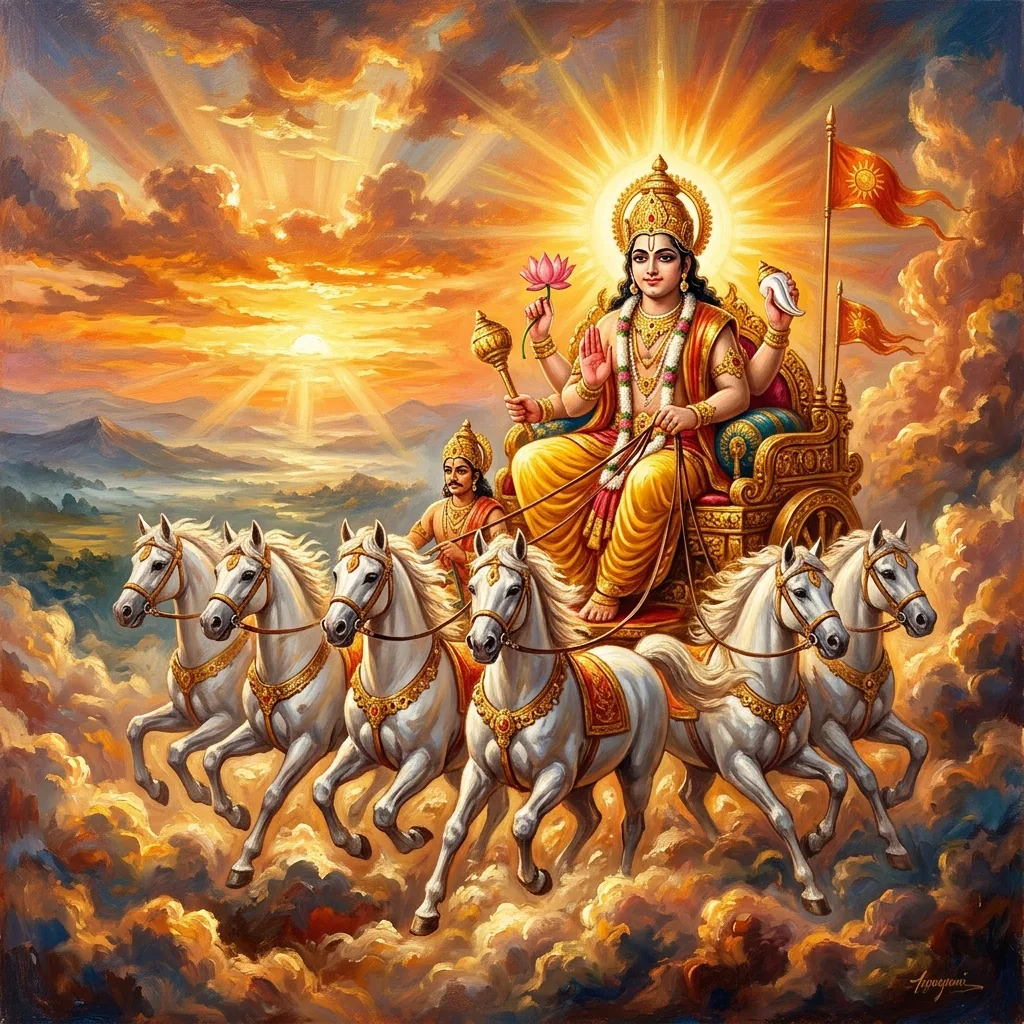
Makar Sankranti
Makar Sankranti in Ludhiana is on Friday, 15 January 2027.
Muhurat for Fri, 15 Jan, Ludhiana
Observe through the day
Do
- Bathe and give by day: the Dharmasindhu says all agree on this even when the transit falls at night.
- If the transit falls in your birth star, bathe in water with lotus leaves and the like, to ward off its trouble.
- Note: The Nirnayasindhu allows the rites at night where local custom keeps them; the Dharmasindhu reports that view and says it is not accepted by all.
Don’t
- The sixteen ghatis on either side of a sankranti are avoided for weddings and other auspicious rites.
- The Dharmasindhu also avoids the ayana day and the day after it for auspicious works.
- Vedic study is set aside on the day of the transit and the nights around it.
Muhurat
Shubh
Ashubh
Deities of the dayShastra
 Surya7:25 AM – 2:13 PMFrom 2:13 PM: ShivaAlso: Indra
Today's observancesShastra
Avoid
Preferred
A prohibition binds while its tithi runs.
ChoghadiyaPractice (Gujarat–Rajasthan)
Day
Night
Maas
Guide
Makar Sankranti
The day
- The sun enters Makara (Capricorn) and Uttarayana, its northern course, begins; the digests rank this transit among the holiest of the year.
- The hours around the transit are the punya kala, the holy time for bath, gifts and worship.
What to do today
- Bathe and give in the punya kala this page shows — sesame above all.
- Worship the Sun and Shiva, and eat something made with sesame.
Bath and gifts in the punya kala
When
- In the punya kala this page shows; the stretch nearest the transit is the most fruitful.
The bath
- The Dharmasindhu makes the sankranti bath a duty for everyone, warning that one who skips it meets sickness and want for seven births.
- Bathe at a river or tirtha if you can; at home, bathe with sesame in the water.
Sesame, five ways
- At the start of Uttarayana the digest has sesame used for the bath, to rub the body, as a gift, in the fire and as food.
- White sesame is offered with water to the gods, and black sesame to the forebears.
What to give
- Both digests name firewood and fire as the gift proper to Makara.
- For Uttarayana the Dharmasindhu adds a cow shaped of sesame, sesame in a copper vessel with a little gold, and cloth.
Worship of the Sun and Shiva
The Sun
- The Apastamba verse in the Nirnayasindhu has the Sun worshipped after the bath at an ayana transit.
- The Dharmasindhu says bathing the Sun's image with milk on this day leads to the Sun's world.
- The Vrataraja, citing the Bhavishya through Hemadri, has the Sun's image bathed in ghee at Uttarayana and a cow of ghee given.
Shiva
- Lamps of sesame oil in a Shiva temple, and worship with sesame and rice, are praised on this day.
- The Dharmasindhu gives a vow for the day: fast the day before, bathe with sesame, bathe Shiva in cow's ghee, offer sesame lamps and a heap of ghee (ghrita-kambala), offer sesame in the fire, and break the fast with panchagavya and sesame.
Fast, food and the forebears
The fast
- The digests describe an optional fast of three days, or of one day and night, before an ayana transit; it is a vow for release from wrongdoing, not a duty.
- Both digests say a householder with children does not keep it.
Shraddha
- A shraddha without pindas is made at every sankranti; at the two ayana transits the Dharmasindhu makes it a duty for those entitled.
The meal
- Sesame is to be eaten today, the Dharmasindhu says.
- In the north, khichdi of new rice and lentils is cooked, offered and given; in the west and south, sweets of sesame and jaggery are shared (practice)
The punya kala, explained
The span
- For Makara the Dharmasindhu counts forty ghatis after the transit — a ghati is about twenty-four minutes; Madhava's school counts twenty.
- Only daylight counts: the window is clipped to the day, and nothing is served at night.
A transit late in the day
- If two ghatis or less of daylight remain when the sun enters Makara, the Dharmasindhu takes the time just before the transit, so that bath and gifts are made by day.
- Note: This page does not yet apply that rule; it shows the span after the transit.
A transit at night
- If the transit falls after sunset, the next day is holy; its first half is holier, and the first five ghatis after sunrise are the holiest.
Maha punya kala
- The five ghatis nearest the transit, inside the punya kala, are called the most holy (maha punya kala).
- Note: The main window on this page is the punya kala; where a separate maha punya kala is shown, it is these five ghatis.
Which day
The rule this page follows
- The Dharmasindhu: a transit by day is kept that day; a transit after sunset, at any hour of the night, is kept the next day.
Where the schools differ
- Madhava, followed in the south, keeps a night transit on the next day, as the Dharmasindhu does.
- Baudhayana, followed in Gujarat and the north, the Nirnayasindhu reports, holds both days holy when the transit falls at dusk or by midnight.
- Hemadri and others split the night at midnight: before it, the earlier day; after it, the later day.
- Note: A rule that puts a transit in the first three ghatis after sunset on the earlier day is attributed to jyotisha; the Dharmasindhu says it is not found in all dharmashastra works, and this page does not use it.
Why dates can differ
- Calendars following a different school can print a different day; keep your family's custom.
Why Uttarayana matters
The turning
- The Dharmasindhu begins the northern course, Uttarayana, at the sun's entry into Makara; it runs for six signs, until the entry into Karka.
- Of the four classes of sankranti, the digest ranks the two ayana transits highest.
Bhishma
- In the Mahabharata, Bhishma, lying on his bed of arrows, waits for the sun to turn north before leaving his body; Yudhishthira sets out for Kurukshetra when he sees that Uttarayana has begun.
- Bhishma tells him he has lain there fifty-eight nights, and that the month of Magha has come.
Auspicious works
- The Nirnayasindhu cites the rule that temples, gardens and wells are consecrated while the sun travels north.
Who observes, and regional forms
Khichdi — Uttar Pradesh and Bihar
- The day is called Khichdi: after a bath in the Ganga, khichdi of new rice and urad is cooked, offered and given (practice)
Uttarayan — Gujarat
- Rooftops fill with kites through the day (practice)
Sankranthi — Karnataka, Andhra Pradesh and Telangana
- In Karnataka, ellu-bella — sesame, jaggery, coconut and groundnut — is shared among neighbours, and cattle are decorated (practice)
- In Andhra Pradesh and Telangana the festival runs three days, opening with Bhogi fires, with rangoli at every door (practice)
Maharashtra
- Til-gul is exchanged with the words "take til-gul, speak sweetly" (practice)
Elsewhere in this app
- Tamil Nadu keeps the day as Pongal, and Assam as Magh Bihu — see those pages.
On sources
Shastra
- Dharmasindhu, on sankrantis and the month of Pausha: the punya kala, the night rule, the fast, the gifts and the sesame rites.
- Nirnayasindhu, on sankrantis and the month of Magha: the schools on a night transit, the gifts and the fast.
- Vrataraja: the Sun's ghee bath; Mahabharata, Anushasana Parvan: Bhishma and Uttarayana.
Parampara
- Khichdi, kites, til-gul, ellu-bella and the Bhogi fires are living custom; these texts do not prescribe them.
- Note: The Vrataraja describes krisara of rice and lentils fed to Brahmins through the month the sun is in Dhanu; no text in hand ties it to the Khichdi of this day.
How this page decides
- The date is the day the engine marks for the sun's entry into Makara at your location, by the Dharmasindhu's rule; the punya kala is worked out from the transit.
Questions
When is Makar Sankranti 2027 in Ludhiana?
Makar Sankranti in Ludhiana is on Friday, 15 January 2027.
What should one not do on Makar Sankranti?
The sixteen ghatis on either side of a sankranti are avoided for weddings and other auspicious rites. The Dharmasindhu also avoids the ayana day and the day after it for auspicious works. Vedic study is set aside on the day of the transit and the nights around it.
Which day
The rule this page follows The Dharmasindhu: a transit by day is kept that day; a transit after sunset, at any hour of the night, is kept the next day. Where the schools differ Madhava, followed in the south, keeps a night transit on the next day, as the Dharmasindhu does. · Baudhayana, followed in Gujarat and the north, the Nirnayasindhu reports, holds both days holy when the transit falls at dusk or by midnight. · Hemadri and others split the night at midnight: before it, the earlier day; after it, the later day. · Note: A rule that puts a transit in the first three ghatis after sunset on the earlier day is attributed to jyotisha; the Dharmasindhu says it is not found in all dharmashastra works, and this page does not use it. Why dates can differ Calendars following a different school can print a different day; keep your family's custom.
This day, in full — in Vandan
A reminder at the muhurat, the aarti to sing along, the katha to read.