
- AboharPunjab, India
- Abu DhabiAbu Dhabi, United Arab Emirates
- AhmedabadGujarat, India
- AjmerRajasthan, India
- AkleraRajasthan, India
- AklujMaharashtra, India
- AlandKarnataka, India
- AlwarRajasthan, India
- AmsterdamNorth Holland, Netherlands
- AnjangaonMaharashtra, India
- AshtaMadhya Pradesh, India
- AtlantaGeorgia, United States
- AucklandAuckland, New Zealand
- AuraiyaUttar Pradesh, India
- AzamgarhUttar Pradesh, India
- BaberuUttar Pradesh, India
- BagulaWest Bengal, India
- BandikuiRajasthan, India
- BandungWest Java, Indonesia
- BangkokBangkok, Thailand
- BarahiyaBihar, India
- BaripadaOdisha, India
- BarkheraUttar Pradesh, India
- BarnalaPunjab, India
- BegusaraiBihar, India
- BehrorRajasthan, India
- BengaluruKarnataka, India
- BeriHaryana, India
- BhavnagarGujarat, India
- BhilwaraRajasthan, India
- BhimavaramAndhra Pradesh, India
- BhopalMadhya Pradesh, India
- BhubaneswarOdisha, India
- BidhunaUttar Pradesh, India
- Bihar SharifBihar, India
- BikanerRajasthan, India
- BirminghamEngland, United Kingdom
- Boria KamalpurHaryana, India
- BostonMassachusetts, United States
- BrisbaneQueensland, Australia
- BulandshahrUttar Pradesh, India
- BurhanpurMadhya Pradesh, India
- CalgaryAlberta, Canada
- CelinaTexas, United States
- ChaibasaJharkhand, India
- ChandausiUttar Pradesh, India
- ChandigarhChandigarh, India
- Charkhi DadriHaryana, India
- CharlotteNorth Carolina, United States
- ChennaiTamil Nadu, India
- ChicagoIllinois, United States
- CoimbatoreTamil Nadu, India
- CookevilleTennessee, United States
- DahejGujarat, India
- DallasTexas, United States
- DatiaMadhya Pradesh, India
- DelhiDelhi, India
- DenpasarBali, Indonesia
- DeogharJharkhand, India
- DeoriaUttar Pradesh, India
- DetroitMichigan, United States
- DhanbadJharkhand, India
- DhandhukaGujarat, India
- DholpurRajasthan, India
- DohaDoha, Qatar
- DubaiDubai, United Arab Emirates
- DurbanKwaZulu-Natal, South Africa
- DuvvurAndhra Pradesh, India
- DwarkaGujarat, India
- EdisonNew Jersey, United States
- EdmontonAlberta, Canada
- FaizabadUttar Pradesh, India
- FarrukhabadUttar Pradesh, India
- FrankfurtHesse, Germany
- GandhidhamGujarat, India
- Ganj BasodaMadhya Pradesh, India
- GondalGujarat, India
- GuwahatiAssam, India
- HalwaraPunjab, India
- HaridwarUttarakhand, India
- HazaribaghJharkhand, India
- HisarHaryana, India
- Hong KongHong Kong, Hong Kong
- HoustonTexas, United States
- HyderabadTelangana, India
- IgatpuriMaharashtra, India
- IndoreMadhya Pradesh, India
- JabalpurMadhya Pradesh, India
- JaipurRajasthan, India
- JakartaJakarta, Indonesia
- JalandharPunjab, India
- JalesarUttar Pradesh, India
- JalgaonMaharashtra, India
- JalnaMaharashtra, India
- JamnagarGujarat, India
- JasidihJharkhand, India
- JawalamukhiHimachal Pradesh, India
- JindHaryana, India
- JodhpurRajasthan, India
- JohannesburgGauteng, South Africa
- KanpurUttar Pradesh, India
- KhambhatGujarat, India
- KhopoliMaharashtra, India
- KochiKerala, India
- KolkataWest Bengal, India
- Kuala LumpurFederal Territory, Malaysia
- KurundwadMaharashtra, India
- LeicesterEngland, United Kingdom
- LondonEngland, United Kingdom
- Los AngelesCalifornia, United States
- LucknowUttar Pradesh, India
- LudhianaPunjab, India
- MaduraiTamil Nadu, India
- MalkapurMaharashtra, India
- MaloutPunjab, India
- ManchesterEngland, United Kingdom
- MangaluruKarnataka, India
- MathuraUttar Pradesh, India
- MavliRajasthan, India
- MechanicsburgPennsylvania, United States
- MeerutUttar Pradesh, India
- MehsanaGujarat, India
- MelbourneVictoria, Australia
- MiamiFlorida, United States
- MinneapolisMinnesota, United States
- MississaugaOntario, Canada
- MogaPunjab, India
- MorbiGujarat, India
- MumbaiMaharashtra, India
- MurtajapurMaharashtra, India
- MuscatMuscat, Oman
- MysuruKarnataka, India
- NagpurMaharashtra, India
- NanduraMaharashtra, India
- NashikMaharashtra, India
- NeamatpurWest Bengal, India
- New YorkNew York, United States
- NippaniKarnataka, India
- NiraMaharashtra, India
- NowgongMadhya Pradesh, India
- OraiUttar Pradesh, India
- ParisÎle-de-France, France
- PatialaPunjab, India
- PatnaBihar, India
- PeddapalliTelangana, India
- PerthWestern Australia, Australia
- PhiladelphiaPennsylvania, United States
- PhoenixArizona, United States
- PrayagrajUttar Pradesh, India
- PuneMaharashtra, India
- PuriOdisha, India
- PutturKarnataka, India
- RaipurChhattisgarh, India
- RajamahendravaramAndhra Pradesh, India
- RajkotGujarat, India
- Ramgarh CantonmentJharkhand, India
- ReadingPennsylvania, United States
- RishikeshUttarakhand, India
- RiyadhRiyadh, Saudi Arabia
- SaharanpurUttar Pradesh, India
- San FranciscoCalifornia, United States
- San JoseCalifornia, United States
- SarupatharAssam, India
- SeattleWashington, United States
- SendhwaMadhya Pradesh, India
- ShikaripurKarnataka, India
- ShikarpurUttar Pradesh, India
- ShirdiMaharashtra, India
- SingaporeSingapore, Singapore
- SuratGujarat, India
- SurendranagarGujarat, India
- SydneyNew South Wales, Australia
- ThanesarHaryana, India
- TilakwadaGujarat, India
- TirupatiAndhra Pradesh, India
- TiruvannamalaiTamil Nadu, India
- TorontoOntario, Canada
- UdalguriAssam, India
- UjjainMadhya Pradesh, India
- UkiahCalifornia, United States
- UnjhaGujarat, India
- VadodaraGujarat, India
- VancouverBritish Columbia, Canada
- VaranasiUttar Pradesh, India
- VisakhapatnamAndhra Pradesh, India
- VisnagarGujarat, India
- VrindavanUttar Pradesh, India
- WanaparthyTelangana, India
- WashingtonDistrict of Columbia, United States
- ZurichZurich, Switzerland
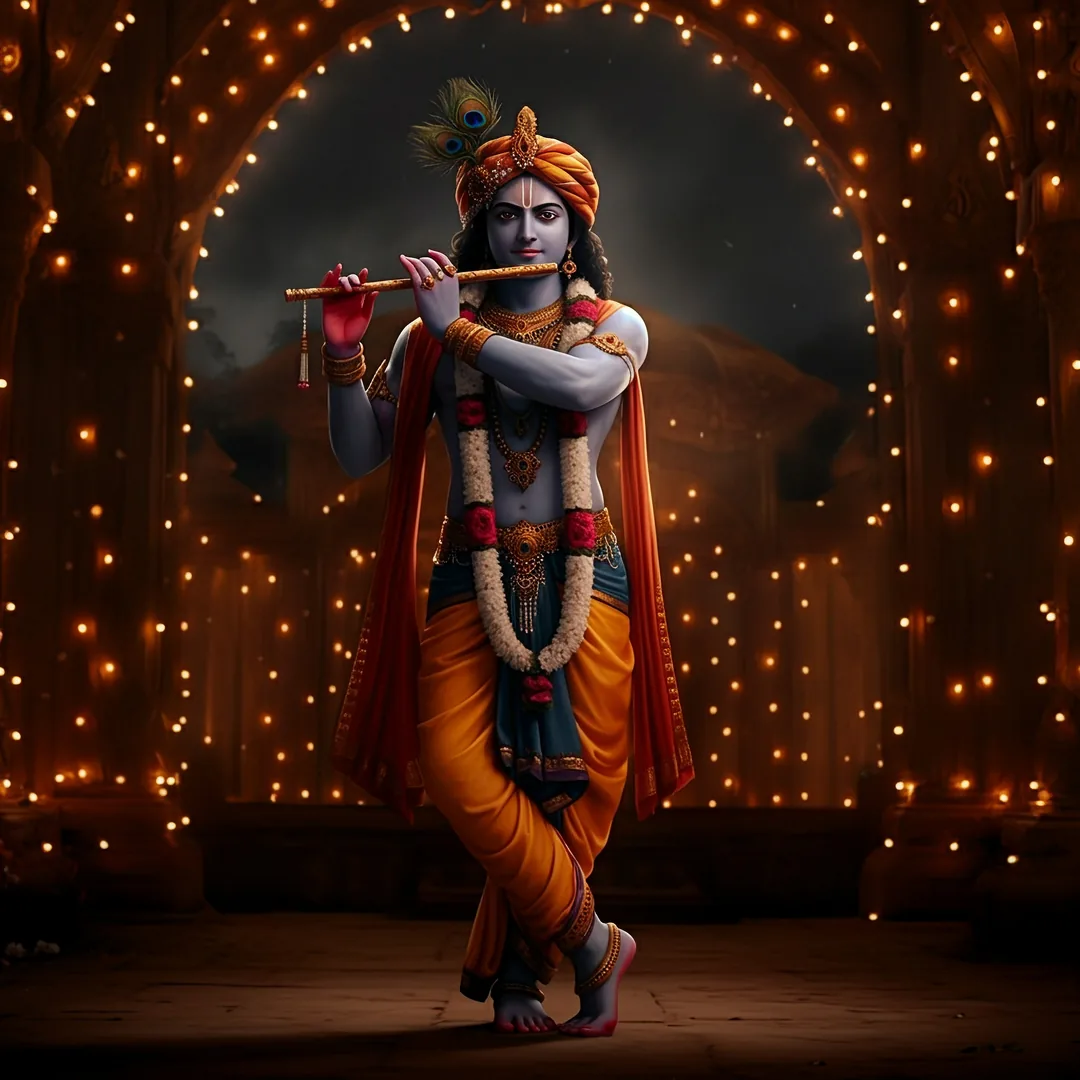
Choti Diwali · Abhyanga snana (arunodaya)
Choti Diwali in Bihar Sharif is on Sunday, 8 November 2026; Abhyanga snana 4:59 – 5:59 AM (India Standard Time, UTC+5:30).
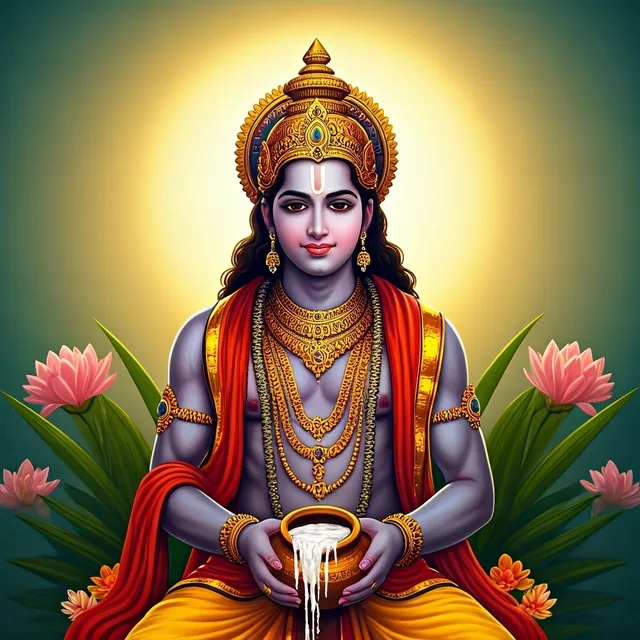
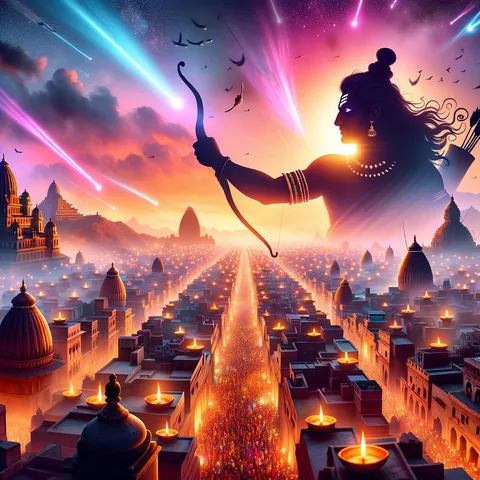
Muhurat for Sun, 8 Nov, Bihar Sharif
Then: Day 4, Tue, 10 Nov
Do
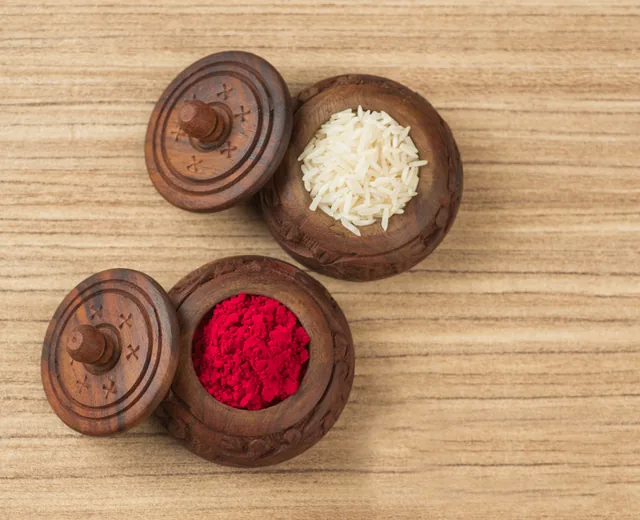
- Bathe before sunrise with sesame oil, in the window this page shows.
- Whirl apamarga during the bath, if you can find it.
- Offer sesame water to Yama by his fourteen names.
- Light lamps at dusk at the shrine, the doors and the cowshed.
Don’t
- Skip the oil bath; if the dawn windows are missed, bathe after sunrise.
- Take the bath in the Trayodashi; its day is the Chaturdashi.
- Sleep past sunrise on this morning, families say (practice)
Aarti, mantra and katha
Each one opens the same screen in Vandan
Muhurat
Shubh
Ashubh
Deities of the dayShastra
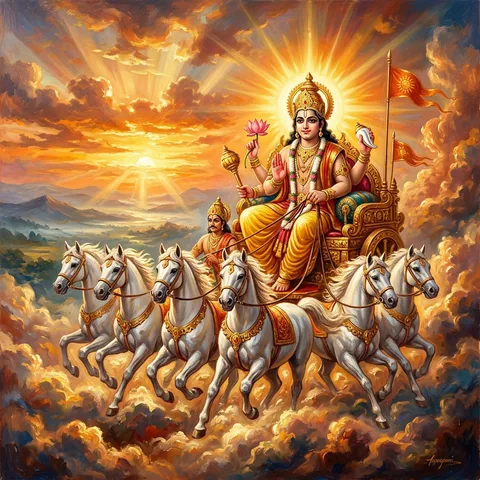 SuryaAll dayAlso: Shiva
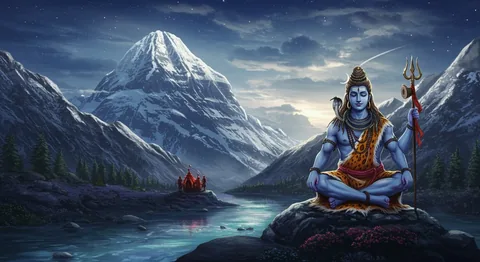 Shiva5:59 – 11:28 AMFrom 11:28 AM: PitarasAlso: Kali
Today's observancesShastra
Avoid
Preferred
A prohibition binds while its tithi runs.
ChoghadiyaPractice (Gujarat–Rajasthan)
Day
Night
LagnaShastra · Jyotisha
Sunrise to next sunrise
Maas
Guide
Today: Narak Chaturdashi
What the day is
- The Chaturdashi, the fourteenth lunar day, of the dark fortnight — the second day of the lamp festival and the eve of the Diwali new moon.
- Its rites are an oil bath before sunrise, an offering of water to Yama, and lamps at dusk.
What to do today
- Rise before dawn and take the oil bath in the window this page shows.
- After the bath, offer sesame water to Yama by his fourteen names.
- At dusk, light lamps at the shrine, the doors and the cowshed.
Abhyanga snana — the oil bath before sunrise
When
- Three times are ranked: from the last watch of the night to arunodaya is the lowest, from arunodaya to moonrise is better, and from moonrise to sunrise is the best (mukhya) time.
- This page shows the moonrise-to-sunrise window first, and the other windows where they apply.
- If the dawn windows are missed, bathe after sunrise all the same; this is the secondary time, but the bath must not be skipped.
The oil and the bath
- Rub the body with sesame oil, then bathe; on this morning Lakshmi dwells in the oil and Ganga in the water.
- Many families apply an ubtan of gram flour, turmeric and fragrant herbs before the bath (practice)
Apamarga
- During the bath, whirl a sprig of apamarga (prickly chaff-flower) around the body and over the head with a clod of ploughed earth, asking it to take away sin; sprigs of tumbi and chakramarda may be added too.
After
- Put on clean or new clothes and apply a tilak; those keeping the Kartika bath take it next, and then the Yama tarpana.
Yama tarpana, and the day's food
Yama tarpana
- Face south and offer three handfuls of water mixed with sesame for each of Yama's fourteen names, from Yama, Dharmaraja, Mrityu and Antaka to Chitragupta.
- The sacred thread may be worn in either position; one whose father is living offers barley in place of sesame, with the thread in the usual way.
- This tarpana is offered even by those whose father is living.
Food
- The Linga Purana praises eating greens of the masha (urad) leaf on this day.
- In Bengal fourteen kinds of greens are eaten today.
Lamps at dusk — how the day closes
Lamps
- At pradosh, light lamps in temples and maths, on walls and in gardens, along the lanes, and in the stalls of cows, horses and elephants — this is done on all three days of the festival.
- Many families light fourteen lamps around the house tonight (practice)
A lamp for Naraka
- A lamp with four wicks is given for Naraka's sake, to clear away all sins.
Torches for the forebears
- With the sun in Libra, torches are shown at pradosh on the Chaturdashi and the Amavasya to light the path of the forebears (pitrs).
The meal
- Eat a single meal at night, after the lamps; the night meal today brings great merit.
Why Narak Chaturdashi
The name
- The name is explained by its bath: those who fear naraka, the realm of suffering, bathe at this hour, and the dawn bath keeps one from Yama's world.
- Popular telling ties the name to Narakasura, slain by Krishna (practice)
Three days of lamps
- The Chaturdashi, the Amavasya and the bright Pratipada are the three days of Dipotsava, most auspicious when Swati nakshatra joins them.
- The three days are both a duty and a blessing: neglect brings suffering, and keeping them brings Lakshmi.
Other names
- Roop Chaudas in Rajasthan and the north, Kali Chaudas in Gujarat, Bhoot Chaturdashi in Bengal, and the main day of Deepavali in much of the south (practice)
Which day, and why this tithi
The rule
- The bath is taken on the day when the Chaturdashi is present at moonrise, in the last part of the night.
- When the Chaturdashi holds at moonrise on both days, the earlier day is taken; when it holds on neither, the day that has it at arunodaya is taken.
Where views differ
- The Gauda school of Bengal took the bath to the three muhurtas after sunrise; the bath at moonrise is the accepted time, and that view is not followed.
- One older view allowed the bath in the Trayodashi when the Chaturdashi ends early; this is not followed.
- For a short Chaturdashi there are two more views: some bathe before arunodaya while the Chaturdashi lasts, others bathe at moonrise even after the Amavasya has begun.
The month name
- Kartika Krishna Chaturdashi in the north's full-moon reckoning; Ashvina Krishna Chaturdashi in the amanta reckoning of the west and south.
On this page
- The date and the bath windows are worked out from this rule for your city.
The katha
Naraka of Pragjyotisha
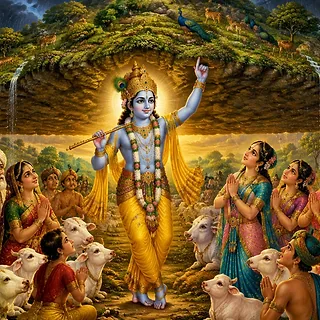
- Naraka, called Bhauma because he was born of Bhumi, the Earth, ruled from Pragjyotisha; he took Aditi's earrings, Varuna's umbrella and the gods' mountain seat, and held thousands of princesses captive.
- Indra came to Krishna for help, and Krishna rode out on Garuda with Satyabhama beside him.
The battle
- Krishna broke through the city's rings of hills, weapons, water and fire, slew the guardian Mura, and then fought Naraka himself and cut him down with the discus.
Bhumi's prayer
- Bhumi, Naraka's mother, gave back the earrings, the umbrella and the garland, praised Krishna, and asked him to protect Naraka's son; Krishna gave him refuge.
- Krishna freed the captive princesses and married them, so that none was left without honour.
The date
- The Bhagavata does not give the day of the battle; the belief that Naraka fell on this Chaturdashi is held across India (practice)
Roop Chaudas, Kali Chaudas, Bhoot Chaturdashi
Roop Chaudas
- In Rajasthan, Gujarat and much of the north the morning is Roop Chaudas: an ubtan of gram flour, turmeric and oil before the bath, for beauty and health (practice)
Kali Chaudas
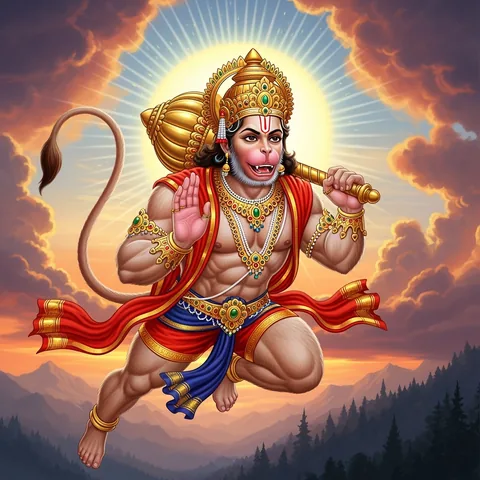
- In Gujarat the night is Kali Chaudas, kept with worship of Hanuman and of Mahakali for protection (practice)
Bhoot Chaturdashi
- In Bengal fourteen lamps are lit at dusk for the forebears (practice)
- Fourteen kinds of greens are eaten that day.
The south
- In Tamil Nadu, Karnataka and Andhra this is the main Deepavali day, with the oil bath before dawn, new clothes, sweets and crackers (practice)
- The morning greeting asks whether you have had your Ganga snana, since Ganga is in the water this morning (practice)
Festive Food
History
Narak Chaturdashi is the Chaturdashi of the dark fortnight, the day before the Diwali new moon. Its name is explained by its bath: the Bhavishya and Padma Puranas tell that those who fear naraka, the realm of suffering, bathe with sesame oil at moonrise on this day, and the hours for that bath are ranked — best between moonrise and sunrise. Sprigs of apamarga are whirled over the body in the bath, Yama is offered tarpana by his fourteen names, and lamps are lit at pradosh. This Chaturdashi, the Amavasya and the bright Pratipada are counted as the three days of Dipotsava. The Bhagavata Purana tells how Krishna, with Satyabhama, slew Naraka of Pragjyotisha and freed the princesses he held captive; the belief that Naraka fell on this Chaturdashi is held across India (practice). The day is also kept as Roop Chaudas in the north, Kali Chaudas in Gujarat, Bhoot Chaturdashi in Bengal, and as the main day of Deepavali in much of the south (practice).
Read more
Questions
When is Choti Diwali 2026 in Bihar Sharif?
Choti Diwali in Bihar Sharif is on Sunday, 8 November 2026; Abhyanga snana 4:59 – 5:59 AM (India Standard Time, UTC+5:30).
What should one not do on Choti Diwali?
Skip the oil bath; if the dawn windows are missed, bathe after sunrise. Take the bath in the Trayodashi; its day is the Chaturdashi. Sleep past sunrise on this morning, families say (practice)
Which day, and why this tithi
The rule The bath is taken on the day when the Chaturdashi is present at moonrise, in the last part of the night. · When the Chaturdashi holds at moonrise on both days, the earlier day is taken; when it holds on neither, the day that has it at arunodaya is taken. Where views differ The Gauda school of Bengal took the bath to the three muhurtas after sunrise; the bath at moonrise is the accepted time, and that view is not followed. · One older view allowed the bath in the Trayodashi when the Chaturdashi ends early; this is not followed. · For a short Chaturdashi there are two more views: some bathe before arunodaya while the Chaturdashi lasts, others bathe at moonrise even after the Amavasya has begun. The month name Kartika Krishna Chaturdashi in the north's full-moon reckoning; Ashvina Krishna Chaturdashi in the amanta reckoning of the west and south. On this page The date and the bath windows are worked out from this rule for your city.
This day, in full — in Vandan
A reminder at the muhurat, the aarti to sing along, the katha to read.