
- AboharPunjab, India
- Abu DhabiAbu Dhabi, United Arab Emirates
- AhmedabadGujarat, India
- AjmerRajasthan, India
- AkleraRajasthan, India
- AklujMaharashtra, India
- AlandKarnataka, India
- AlwarRajasthan, India
- AmsterdamNorth Holland, Netherlands
- AnjangaonMaharashtra, India
- AshtaMadhya Pradesh, India
- AtlantaGeorgia, United States
- AucklandAuckland, New Zealand
- AuraiyaUttar Pradesh, India
- AzamgarhUttar Pradesh, India
- BaberuUttar Pradesh, India
- BagulaWest Bengal, India
- BandikuiRajasthan, India
- BandungWest Java, Indonesia
- BangkokBangkok, Thailand
- BarahiyaBihar, India
- BaripadaOdisha, India
- BarkheraUttar Pradesh, India
- BarnalaPunjab, India
- BegusaraiBihar, India
- BehrorRajasthan, India
- BengaluruKarnataka, India
- BeriHaryana, India
- BhavnagarGujarat, India
- BhilwaraRajasthan, India
- BhimavaramAndhra Pradesh, India
- BhopalMadhya Pradesh, India
- BhubaneswarOdisha, India
- BidhunaUttar Pradesh, India
- Bihar SharifBihar, India
- BikanerRajasthan, India
- BirminghamEngland, United Kingdom
- Boria KamalpurHaryana, India
- BostonMassachusetts, United States
- BrisbaneQueensland, Australia
- BulandshahrUttar Pradesh, India
- BurhanpurMadhya Pradesh, India
- CalgaryAlberta, Canada
- CelinaTexas, United States
- ChaibasaJharkhand, India
- ChandausiUttar Pradesh, India
- ChandigarhChandigarh, India
- Charkhi DadriHaryana, India
- CharlotteNorth Carolina, United States
- ChennaiTamil Nadu, India
- ChicagoIllinois, United States
- CoimbatoreTamil Nadu, India
- CookevilleTennessee, United States
- DahejGujarat, India
- DallasTexas, United States
- DatiaMadhya Pradesh, India
- DelhiDelhi, India
- DenpasarBali, Indonesia
- DeogharJharkhand, India
- DeoriaUttar Pradesh, India
- DetroitMichigan, United States
- DhanbadJharkhand, India
- DhandhukaGujarat, India
- DholpurRajasthan, India
- DohaDoha, Qatar
- DubaiDubai, United Arab Emirates
- DurbanKwaZulu-Natal, South Africa
- DuvvurAndhra Pradesh, India
- DwarkaGujarat, India
- EdisonNew Jersey, United States
- EdmontonAlberta, Canada
- FaizabadUttar Pradesh, India
- FarrukhabadUttar Pradesh, India
- FrankfurtHesse, Germany
- GandhidhamGujarat, India
- Ganj BasodaMadhya Pradesh, India
- GondalGujarat, India
- GuwahatiAssam, India
- HalwaraPunjab, India
- HaridwarUttarakhand, India
- HazaribaghJharkhand, India
- HisarHaryana, India
- Hong KongHong Kong, Hong Kong
- HoustonTexas, United States
- HyderabadTelangana, India
- IgatpuriMaharashtra, India
- IndoreMadhya Pradesh, India
- JabalpurMadhya Pradesh, India
- JaipurRajasthan, India
- JakartaJakarta, Indonesia
- JalandharPunjab, India
- JalesarUttar Pradesh, India
- JalgaonMaharashtra, India
- JalnaMaharashtra, India
- JamnagarGujarat, India
- JasidihJharkhand, India
- JawalamukhiHimachal Pradesh, India
- JindHaryana, India
- JodhpurRajasthan, India
- JohannesburgGauteng, South Africa
- KanpurUttar Pradesh, India
- KhambhatGujarat, India
- KhopoliMaharashtra, India
- KochiKerala, India
- KolkataWest Bengal, India
- Kuala LumpurFederal Territory, Malaysia
- KurundwadMaharashtra, India
- LeicesterEngland, United Kingdom
- LondonEngland, United Kingdom
- Los AngelesCalifornia, United States
- LucknowUttar Pradesh, India
- LudhianaPunjab, India
- MaduraiTamil Nadu, India
- MalkapurMaharashtra, India
- MaloutPunjab, India
- ManchesterEngland, United Kingdom
- MangaluruKarnataka, India
- MathuraUttar Pradesh, India
- MavliRajasthan, India
- MechanicsburgPennsylvania, United States
- MeerutUttar Pradesh, India
- MehsanaGujarat, India
- MelbourneVictoria, Australia
- MiamiFlorida, United States
- MinneapolisMinnesota, United States
- MississaugaOntario, Canada
- MogaPunjab, India
- MorbiGujarat, India
- MumbaiMaharashtra, India
- MurtajapurMaharashtra, India
- MuscatMuscat, Oman
- MysuruKarnataka, India
- NagpurMaharashtra, India
- NanduraMaharashtra, India
- NashikMaharashtra, India
- NeamatpurWest Bengal, India
- New YorkNew York, United States
- NippaniKarnataka, India
- NiraMaharashtra, India
- NowgongMadhya Pradesh, India
- OraiUttar Pradesh, India
- ParisÎle-de-France, France
- PatialaPunjab, India
- PatnaBihar, India
- PeddapalliTelangana, India
- PerthWestern Australia, Australia
- PhiladelphiaPennsylvania, United States
- PhoenixArizona, United States
- PrayagrajUttar Pradesh, India
- PuneMaharashtra, India
- PuriOdisha, India
- PutturKarnataka, India
- RaipurChhattisgarh, India
- RajamahendravaramAndhra Pradesh, India
- RajkotGujarat, India
- Ramgarh CantonmentJharkhand, India
- ReadingPennsylvania, United States
- RishikeshUttarakhand, India
- RiyadhRiyadh, Saudi Arabia
- SaharanpurUttar Pradesh, India
- San FranciscoCalifornia, United States
- San JoseCalifornia, United States
- SarupatharAssam, India
- SeattleWashington, United States
- SendhwaMadhya Pradesh, India
- ShikaripurKarnataka, India
- ShikarpurUttar Pradesh, India
- ShirdiMaharashtra, India
- SingaporeSingapore, Singapore
- SuratGujarat, India
- SurendranagarGujarat, India
- SydneyNew South Wales, Australia
- ThanesarHaryana, India
- TilakwadaGujarat, India
- TirupatiAndhra Pradesh, India
- TiruvannamalaiTamil Nadu, India
- TorontoOntario, Canada
- UdalguriAssam, India
- UjjainMadhya Pradesh, India
- UkiahCalifornia, United States
- UnjhaGujarat, India
- VadodaraGujarat, India
- VancouverBritish Columbia, Canada
- VaranasiUttar Pradesh, India
- VisakhapatnamAndhra Pradesh, India
- VisnagarGujarat, India
- VrindavanUttar Pradesh, India
- WanaparthyTelangana, India
- WashingtonDistrict of Columbia, United States
- ZurichZurich, Switzerland
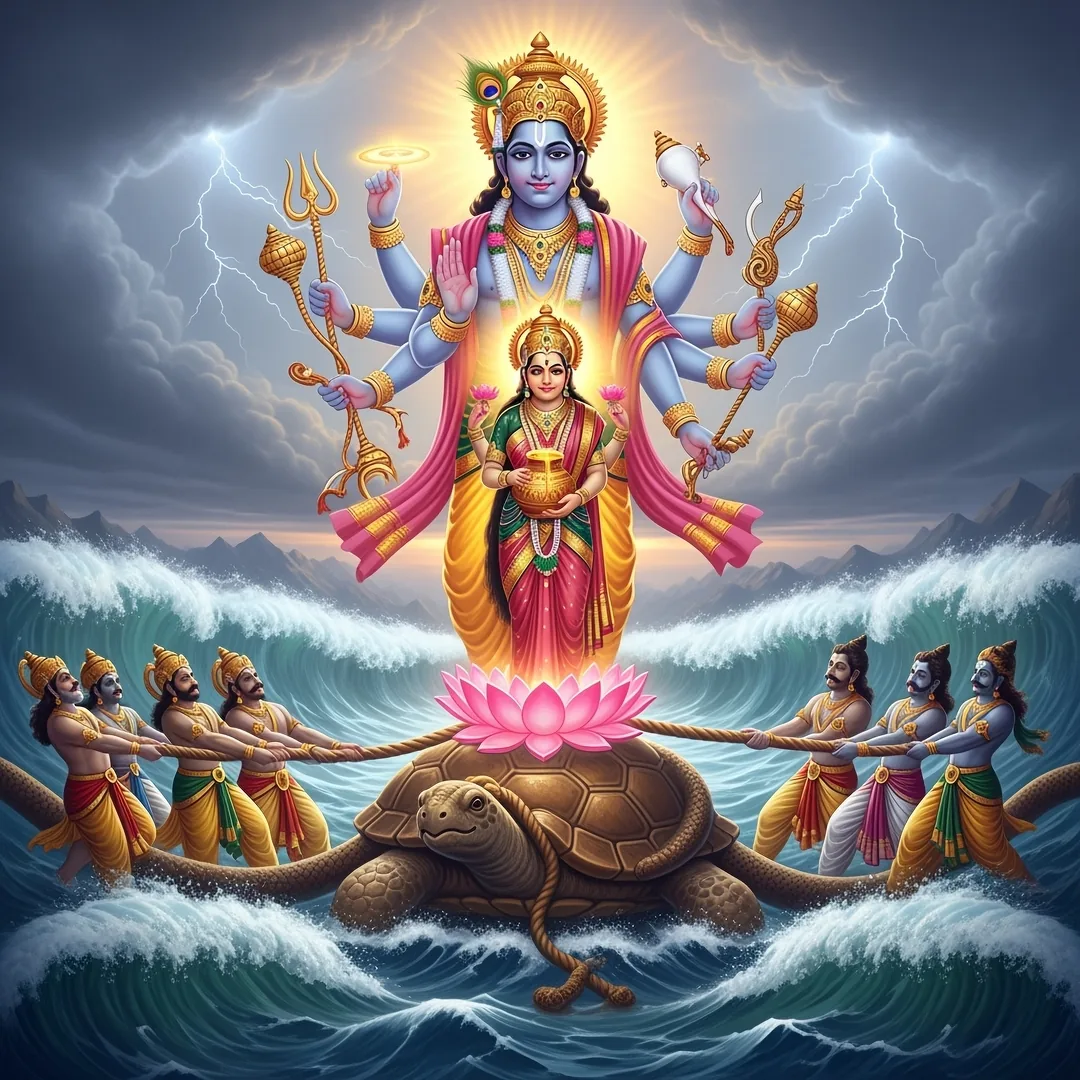
Saphala Ekadashi
Saphala Ekadashi in Unjha is on Sunday, 3 January 2027; Puja window 7:24 AM – 6:06 PM (India Standard Time, UTC+5:30).
Muhurat for Sun, 3 Jan, Unjha
Do
- Rise before dawn and bathe.
- Keep the mind on Vishnu: his name, japa and katha.
- Offer Tulsi in the puja — picked the day before.
- Speak gently and truthfully, and give in charity.
- Keep the night vigil as you are able.
- Break the fast inside the parana window.
Don’t
- Eat grain or pulses.
- Pluck Tulsi leaves (practice)
- Sleep in the day.
- Quarrel, lie, gossip or speak harshly.
- Cut hair or nails, or shave (practice)
- Take onion, garlic, meat or alcohol.
- Let Dwadashi pass without the parana.
Aarti, mantra and katha
Each one opens the same screen in Vandan
Muhurat
Shubh
Ashubh
Deities of the dayShastra
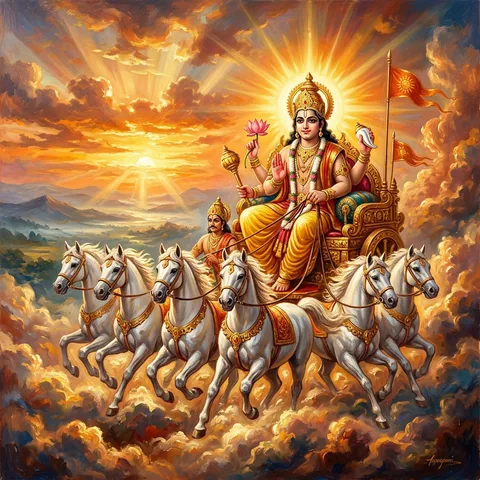 SuryaAll dayAlso: Shiva
Today's observancesShastra
Avoid
Ekadashi fast
A prohibition binds while its tithi runs.
ChoghadiyaPractice (Gujarat–Rajasthan)
Day
Night
Maas
Puja Vidhi
• Clean the puja place; set an image of Vishnu, Krishna or a Shaligram on a yellow cloth. • Keep ready: water, Ganga jal if you have it, Tulsi leaves picked the day before, yellow flowers, sandal paste, incense, a ghee lamp, fruit, panchamrit.
• Hold water and a flower in the right hand; say the place, the day, this Ekadashi and your vow; let the water go. • Note: Use flowers, not rice (akshat), in today's puja.
• Invite the Lord, offer a seat, and water for his feet, hands and sipping. • Bathe the image with water, then panchamrit, then clean water again. • Offer a yellow cloth or thread, sandal paste and yellow flowers. • Offer Tulsi leaves — Vishnu's worship is not complete without them. • Offer incense and the lamp, then fruit and fast-food naivedya with a Tulsi leaf on it.
• Chant "Om Namo Bhagavate Vasudevaya" — one mala of 108 if you can. • Read the Vishnu Sahasranama, a chapter of the Gita, or the Bhagavata. • Read or hear this Ekadashi's katha.
• Sing the aarti and ask forgiveness for any lapse in the worship.
• On Dwadashi, inside the parana window this page shows. • Not before sunrise, and not during Hari Vasara — the first quarter of Dwadashi. • Before Dwadashi ends — letting Dwadashi pass with the fast unbroken spoils the vow. • Morning is best; midday is avoided; if the morning is missed, the window moves to the afternoon.
• Sip water with a Tulsi leaf, or charanamrit, before it ends; eat afterwards. • King Ambarisha did exactly this in the Bhagavata — water both breaks the fast and keeps it.
• Bathe, do a short Vishnu puja, and offer the food to the Lord first. • Begin with charanamrit or Tulsi water, then a little of what was offered. • Give food or a gift to someone in need before you eat (practice) • Eat a simple sattvik meal; grain returns now.
• Nirjala — no food and no water, from sunrise until the parana. • Water only. • Milk, fruit and water. • Phalahar — fast foods without any grain, once or twice in the day. • One meal without grain after nightfall, for those who cannot do more. • Allowed: Fruit, milk, curd, paneer, ghee, nuts and makhana., Potato, sweet potato, arbi, raw banana and pumpkin (practice), Flours not from grain — singhara, kuttu, rajgira — and sama; strict Vaishnava homes leave kuttu and sama too (practice), Cumin, black pepper, ginger and green chilli for flavour (practice) • Avoid: Every grain and its flour: rice, wheat, barley, millet, maize., Every pulse and bean: dal, chana, rajma, moong, urad, masoor., Onion, garlic, meat, fish, eggs and alcohol., Ordinary salt — cook with rock salt (sendha) instead (practice)
Guide
Why Ekadashi
What the day is
- Ekadashi is the eleventh lunar day of each fortnight — twice a month, 24 times a year, 26 in a year with an extra (adhika) month.
- It is the day of Vishnu; the texts call it Hari Vasara, "Hari's day".
- The fast is an offering, not a diet: the hunger is given to the Lord and the mind turns to him.
What the texts promise
- The Puranas place Ekadashi first among vows: it cleanses wrongdoing and steadies devotion.
- Each Ekadashi has its own name, story and promised fruit — see this day's card.
Who keeps it
- Smartas and Vaishnavas, householders and ascetics, in every region.
- Note: The digests address this vow to every person from age eight to eighty.
The day, window by window
Dashami evening (the day before)
- Eat one simple meal before sunset, then nothing more.
- Resolve in your mind to keep tomorrow's fast.
Brahma muhurta (before dawn)
- Wake, bathe, and put on clean clothes.
- Take the sankalp: name the day, this Ekadashi, and the fast you will keep.
Pratah (morning)
- Do the main Vishnu puja in the morning window this page shows.
Midday and afternoon
- Read, chant, or listen to the katha — keep the day for the Lord.
- Do not sleep in the day.
Sandhya (dusk)
- Light a ghee lamp and sing the evening aarti.
Night
- Keep jagaran: stay awake with kirtan, japa and katha as long as you are able.
Dwadashi morning
- Break the fast in the parana window this page shows — never before it, never after Dwadashi ends.
Puja vidhi — morning
Prepare
- Clean the puja place; set an image of Vishnu, Krishna or a Shaligram on a yellow cloth.
- Keep ready: water, Ganga jal if you have it, Tulsi leaves picked the day before, yellow flowers, sandal paste, incense, a ghee lamp, fruit, panchamrit.
Sankalp
- Hold water and a flower in the right hand; say the place, the day, this Ekadashi and your vow; let the water go.
- Note: Use flowers, not rice (akshat), in today's puja.
Worship
- Invite the Lord, offer a seat, and water for his feet, hands and sipping.
- Bathe the image with water, then panchamrit, then clean water again.
- Offer a yellow cloth or thread, sandal paste and yellow flowers.
- Offer Tulsi leaves — Vishnu's worship is not complete without them.
- Offer incense and the lamp, then fruit and fast-food naivedya with a Tulsi leaf on it.
Recite
- Chant "Om Namo Bhagavate Vasudevaya" — one mala of 108 if you can.
- Read the Vishnu Sahasranama, a chapter of the Gita, or the Bhagavata.
- Read or hear this Ekadashi's katha.
Close
- Sing the aarti and ask forgiveness for any lapse in the worship.
Puja vidhi — evening and night
At dusk
- Wash hands, feet and face, or bathe again.
- Light a ghee lamp before Vishnu, and one beside the Tulsi plant (practice)
- Offer fruit or milk as the evening naivedya, then sing the aarti.
Jagaran (night vigil)
- Stay awake into the night with kirtan, japa and katha.
- Keep the lamp burning while you keep watch (practice)
- Keep it as far as health allows; a short vigil kept with love is a true vigil.
Before sleep
- Bow, offer the night's chanting to Vishnu, and sleep on a simple bed (practice)
Aarti
Which aarti
- Om Jai Jagdish Hare — the Vishnu aarti sung in homes across North India; you will find it in the app's Bhajans.
- If your family sings another Vishnu or Krishna aarti, keep to yours.
When
- At the close of the morning puja.
- At dusk, with the evening lamp.
- At the end of the night vigil, if you keep one.
How
- Circle the lamp before the Lord: four times at the feet, twice at the navel, once at the face, then seven times around the whole form (practice)
- Offer the flame to everyone present; each cups the hands over it and touches the eyes (practice)
Choosing your fast
The grades, strictest first
- Nirjala — no food and no water, from sunrise until the parana.
- Water only.
- Milk, fruit and water.
- Phalahar — fast foods without any grain, once or twice in the day.
- One meal without grain after nightfall, for those who cannot do more.
How to choose
- Pick the grade you can keep to the end; a lighter vow kept whole is better than a strict vow broken.
- Follow your family's custom where it has one.
What never breaks a vow
- Water, roots, fruit, milk, medicine, and food taken at your guru's word.
Food on the fast
Avoid all day
- Every grain and its flour: rice, wheat, barley, millet, maize.
- Every pulse and bean: dal, chana, rajma, moong, urad, masoor.
- Onion, garlic, meat, fish, eggs and alcohol.
- Ordinary salt — cook with rock salt (sendha) instead (practice)
Rice above all
- Even those not fasting keep rice off the plate on Ekadashi (practice)
Permitted
- Fruit, milk, curd, paneer, ghee, nuts and makhana.
- Potato, sweet potato, arbi, raw banana and pumpkin (practice)
- Flours not from grain — singhara, kuttu, rajgira — and sama; strict Vaishnava homes leave kuttu and sama too (practice)
- Cumin, black pepper, ginger and green chilli for flavour (practice)
Why grain is left
- The Padma Purana tells that on Ekadashi wrongdoing takes shelter in grain — so grain is set aside for the day.
Who fasts, who is excused
Who the texts address
- Everyone from age eight to eighty, in both fortnights.
Excused from the full fast
- Children under eight and elders over eighty.
- The sick, and anyone who needs medicine — take it; it does not break the vow.
- Pregnant and nursing mothers: a light phalahar, never a dry fast (practice)
- Those with diabetes or other conditions: ask your doctor and keep phalahar (practice)
If you cannot fast
- Still leave grain for the day, and keep the puja and the Lord's name.
- Some families let one member keep the fast on behalf of another who cannot (practice)
During a period or sutak
- Keep the fast; do the puja in your mind, or let someone else perform it (practice)
The day before and the day after
Dashami (the day before)
- Eat once — a simple sattvik meal before sunset.
- Leave aside: bronze vessels, meat, masoor dal, chana, honey, food from others' kitchens, a second meal, and union.
- Pick tomorrow's Tulsi leaves today — Tulsi is not plucked on Ekadashi (practice)
- Sleep early so you can rise before dawn.
Dwadashi (the day after)
- After the parana, keep the same restraints as on Dashami.
- Do not sleep in the day.
Which day to fast
The day this page shows
- Fast on the day that dawns in Ekadashi (the Smarta rule) — this page names it for your city.
- When Dwadashi would end before the next sunrise, the fast moves one day earlier so the parana falls while Dwadashi still lasts.
- When Ekadashi touches two sunrises, almanacs print two days; this page shows the one the rule selects.
Vaishnava reckoning
- Vaishnava traditions test the dawn earlier, at arunodaya — about an hour and a half before sunrise.
- If Dashami is still present then, they fast on the next day instead.
- So in some months a Vaishnava calendar shows Ekadashi one day after this page.
- Note: If your family follows a Vaishnava calendar, keep its day.
Breaking the fast (parana)
When
- On Dwadashi, inside the parana window this page shows.
- Not before sunrise, and not during Hari Vasara — the first quarter of Dwadashi.
- Before Dwadashi ends — letting Dwadashi pass with the fast unbroken spoils the vow.
- Morning is best; midday is avoided; if the morning is missed, the window moves to the afternoon.
If Dwadashi is about to end
- Sip water with a Tulsi leaf, or charanamrit, before it ends; eat afterwards.
- King Ambarisha did exactly this in the Bhagavata — water both breaks the fast and keeps it.
How
- Bathe, do a short Vishnu puja, and offer the food to the Lord first.
- Begin with charanamrit or Tulsi water, then a little of what was offered.
- Give food or a gift to someone in need before you eat (practice)
- Eat a simple sattvik meal; grain returns now.
How Ekadashi was born
The demon Mura
- In the Satya age the demon Mura drove the gods out of heaven.
- Vishnu fought him for a long age of the gods, then withdrew to rest in a cave at Badarikashrama.
The maiden from Vishnu
- As Mura raised his weapon over the sleeping Lord, a radiant maiden came forth from Vishnu's body.
- She fought Mura and destroyed him.
The boon
- Waking, Vishnu named her Ekadashi, for she appeared on the eleventh lunar day.
- He granted that whoever fasts on her day is freed of wrongdoing and reaches his abode.
- This birth is remembered on Utpanna Ekadashi — "utpanna" means "born".
The 26 Ekadashis
Bright fortnight (Shukla)
- Kamada (Chaitra) — Lalit, cursed to become a rakshasa, freed by his wife Lalita's fast.
- Mohini (Vaishakha) — the wayward Dhrishtabuddhi redeemed on the sage Kaundinya's advice.
- Nirjala (Jyeshtha) — Bhima keeps one waterless fast for the merit of all.
- Devshayani (Ashadha) — King Mandhata's drought ends; Vishnu's sleep and Chaturmas begin.
- Putrada (Shravana) — King Mahijit is blessed with a son.
- Parsva (Bhadrapada) — the sleeping Lord turns; the story of Vamana and Bali.
- Pashankusha (Ashwin) — the fowler Krodhana is freed at life's end.
- Devuthani (Kartika) — Vishnu wakes; Chaturmas ends.
- Mokshada (Margashirsha) — King Vaikhanasa frees his father; Gita Jayanti.
- Putrada (Pausha) — King Suketuman and Queen Shaibya are blessed with a son.
- Jaya (Magha) — Malyavan and Pushpavati freed from a pishacha's form.
- Amalaki (Phalguna) — a hunter's night beside the amla worship makes him a king.
Dark fortnight (Krishna)
- Note: Months here are amanta; North Indian purnimanta calendars name each of these one month later.
- Varuthini (Chaitra) — King Mandhata made whole at Mathura.
- Apara (Vaishakha) — the murdered King Mahidhvaja freed from a ghost's life.
- Yogini (Jyeshtha) — Hemamali, Kubera's gardener, healed on Markandeya's advice.
- Kamika (Ashadha) — the worth of Tulsi worship on this day.
- Aja (Shravana) — King Harishchandra regains his kingdom and son.
- Indira (Bhadrapada) — King Indrasena frees his father; falls in Pitru Paksha.
- Rama (Ashwin) — Shobhana and Chandrabhaga.
- Utpanna (Kartika) — the birth of Ekadashi Devi.
- Saphala (Margashirsha) — the exiled prince Lumpaka turns his life around.
- Shattila (Pausha) — the six uses of sesame.
- Vijaya (Magha) — Shri Rama keeps it before crossing to Lanka.
- Papamochani (Phalguna) — the sage Medhavi and the apsara Manjughosha released.
In an extra (adhika) month
- Padmini (bright) — Queen Padmini's fast brings the birth of Kartavirya Arjuna.
- Parama (dark) — the poor Brahmin Sumedha and his wife Pavitra.
This Ekadashi
Name
- Saphala means "fruitful". Margashirsha, dark fortnight (amanta).
Katha
- Lumpaka, the exiled son of King Mahishmata, went without food one cold night and offered fruit to Vishnu at dawn.
- That unknowing fast changed his life, and he returned to rule.
Special to this day
- Offer seasonal fruit to Vishnu.
History
Ekadashi, the eleventh lunar day of each fortnight, is Vishnu's day. In the Padma Purana's Uttara Khanda and the Bhavishyottara Purana, Krishna tells Yudhishthira the name, story and fruit of every Ekadashi of the year. The vow's own origin is the Utpanna story: a maiden born from the sleeping Vishnu destroys the demon Mura, and Vishnu names her Ekadashi and blesses all who fast on her day. The Narada Purana tells of King Rukmangada, who held to the vow even under Mohini's test, and the Bhagavata of King Ambarisha, who kept his Dwadashi with a sip of water. The digests — Nirnayasindhu and Dharmasindhu for the Smarta reading, Hari Bhakti Vilasa for the Vaishnava — fix which day to fast and how to break it.
Read more
Questions
When is Saphala Ekadashi 2027 in Unjha?
Saphala Ekadashi in Unjha is on Sunday, 3 January 2027; Puja window 7:24 AM – 6:06 PM (India Standard Time, UTC+5:30).
What should one not do on Saphala Ekadashi?
Eat grain or pulses. Pluck Tulsi leaves (practice) Sleep in the day. Quarrel, lie, gossip or speak harshly. Cut hair or nails, or shave (practice) Take onion, garlic, meat or alcohol. Let Dwadashi pass without the parana.
Which day to fast
The day this page shows Fast on the day that dawns in Ekadashi (the Smarta rule) — this page names it for your city. · When Dwadashi would end before the next sunrise, the fast moves one day earlier so the parana falls while Dwadashi still lasts. · When Ekadashi touches two sunrises, almanacs print two days; this page shows the one the rule selects. Vaishnava reckoning Vaishnava traditions test the dawn earlier, at arunodaya — about an hour and a half before sunrise. · If Dashami is still present then, they fast on the next day instead. · So in some months a Vaishnava calendar shows Ekadashi one day after this page. · Note: If your family follows a Vaishnava calendar, keep its day.
This day, in full — in Vandan
A reminder at the muhurat, the aarti to sing along, the katha to read.